
UX & content
UX writing, content design, copywriting, SEO and language: hands-on methods for designing words and interfaces that people understand at first glance.
-
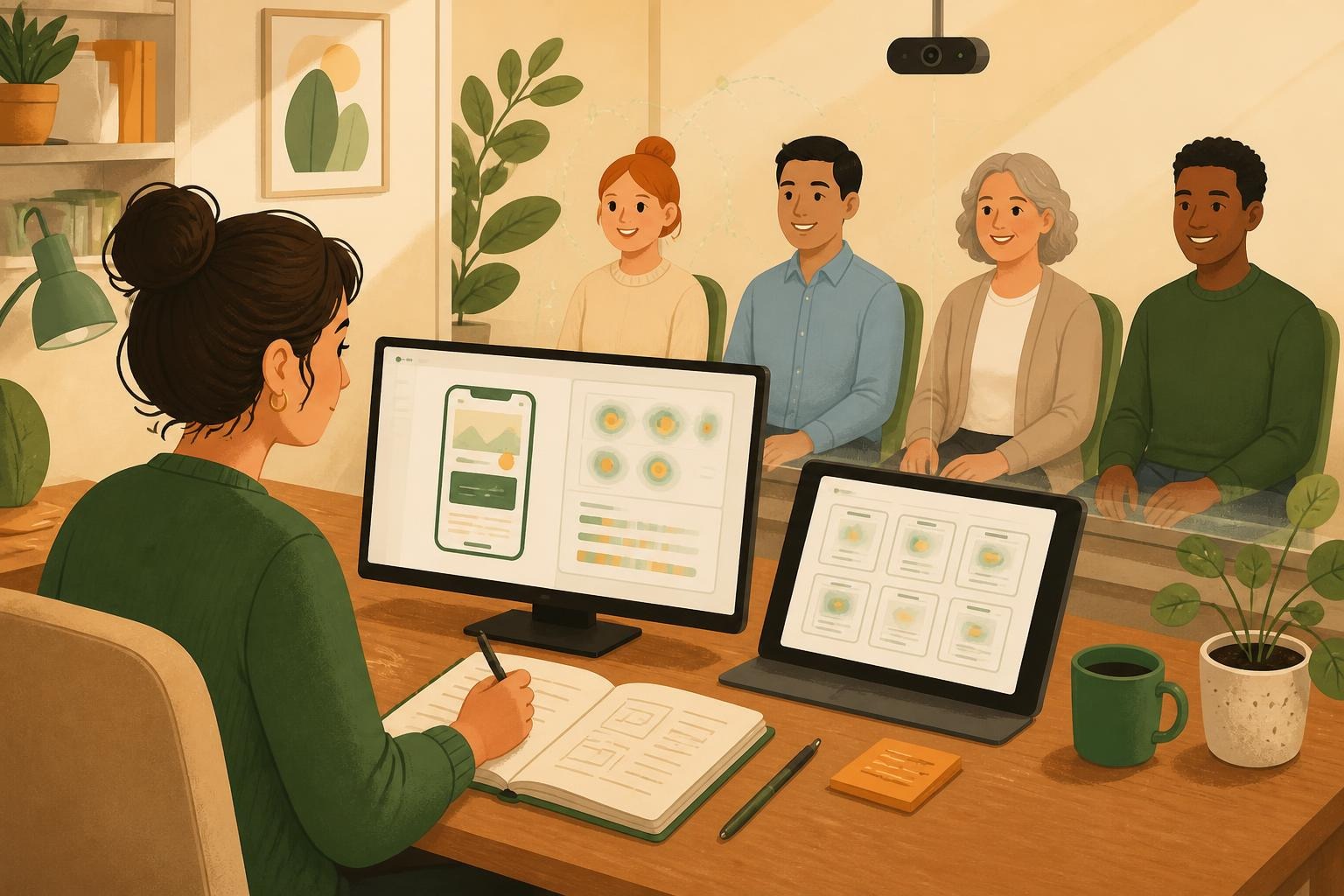
Synthetic users made by AI are spreading in UX research, fast and cheap. Yet studies find answers that are sycophantic, uniform, and full of bias nobody notices.
-
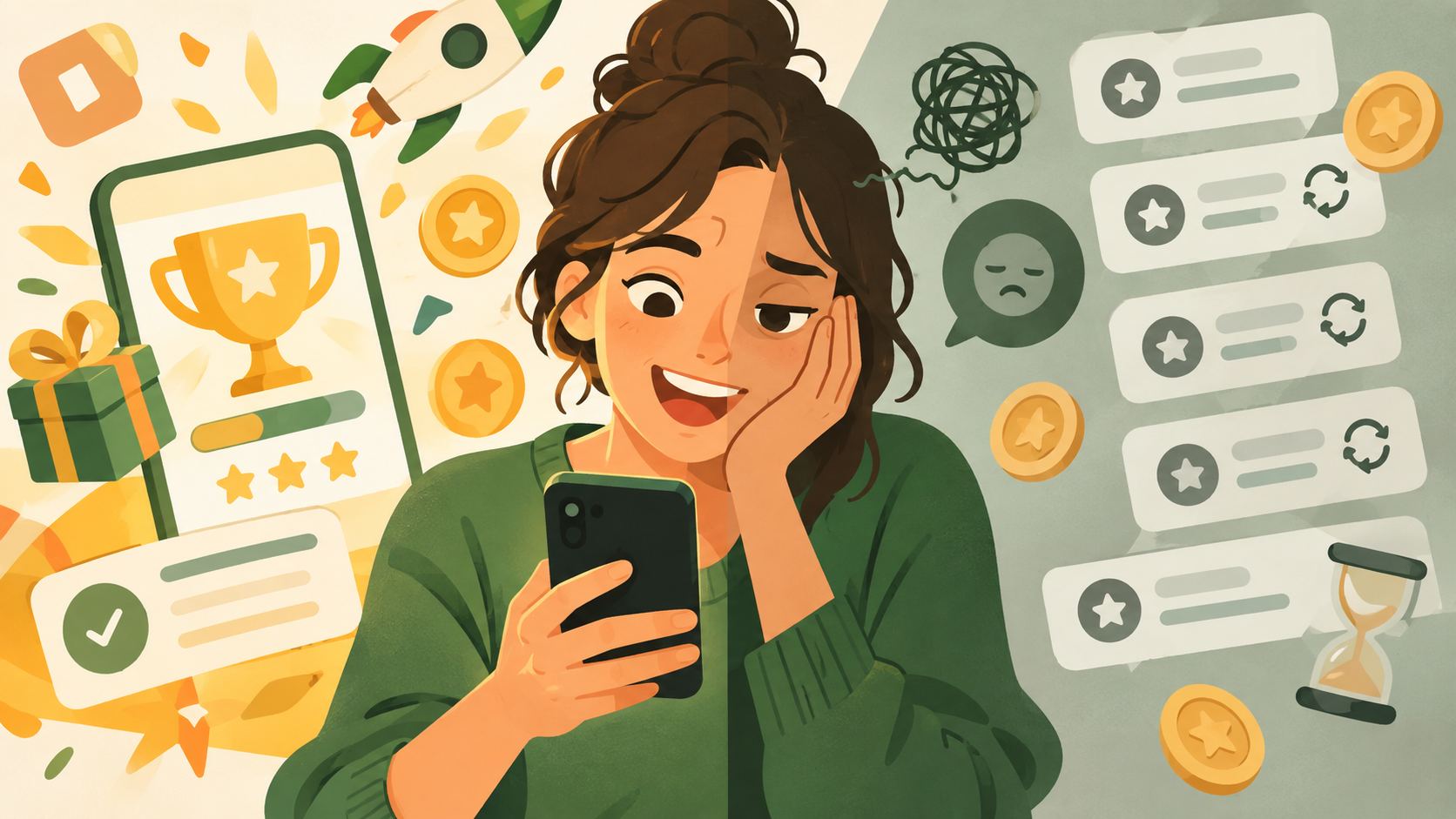
Streaks, badges, and leaderboards keep millions of users hooked, but repetitive mechanics wear thin fast and rewards often disappoint. Good examples, risks, and what makes the game last.
-
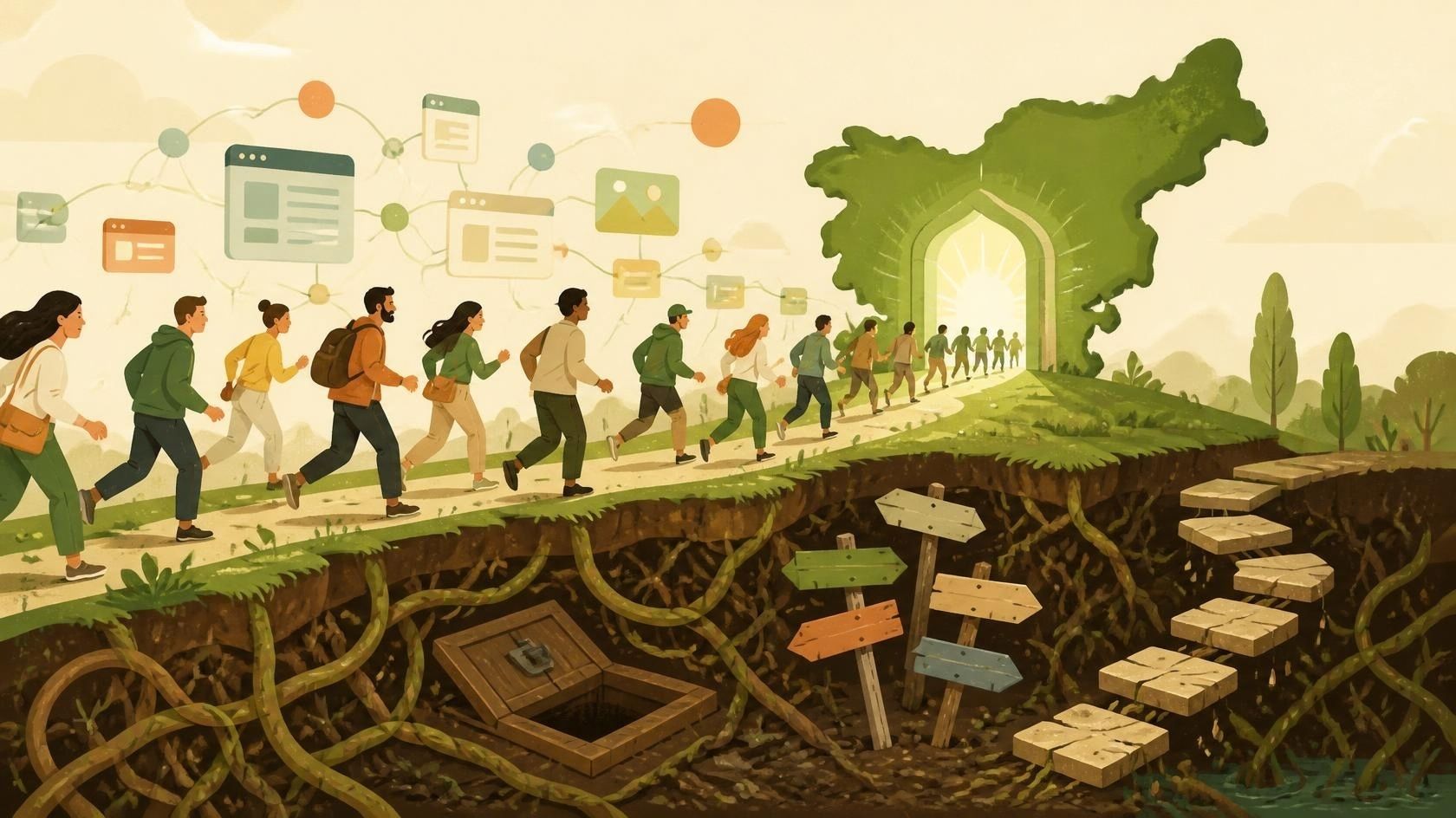
Trump has renamed AI super intelligence and Slovenia’s .si domains are flying off the shelf. But a country extension chosen for its look brings SEO, rules and risks: .ly proves it.
-
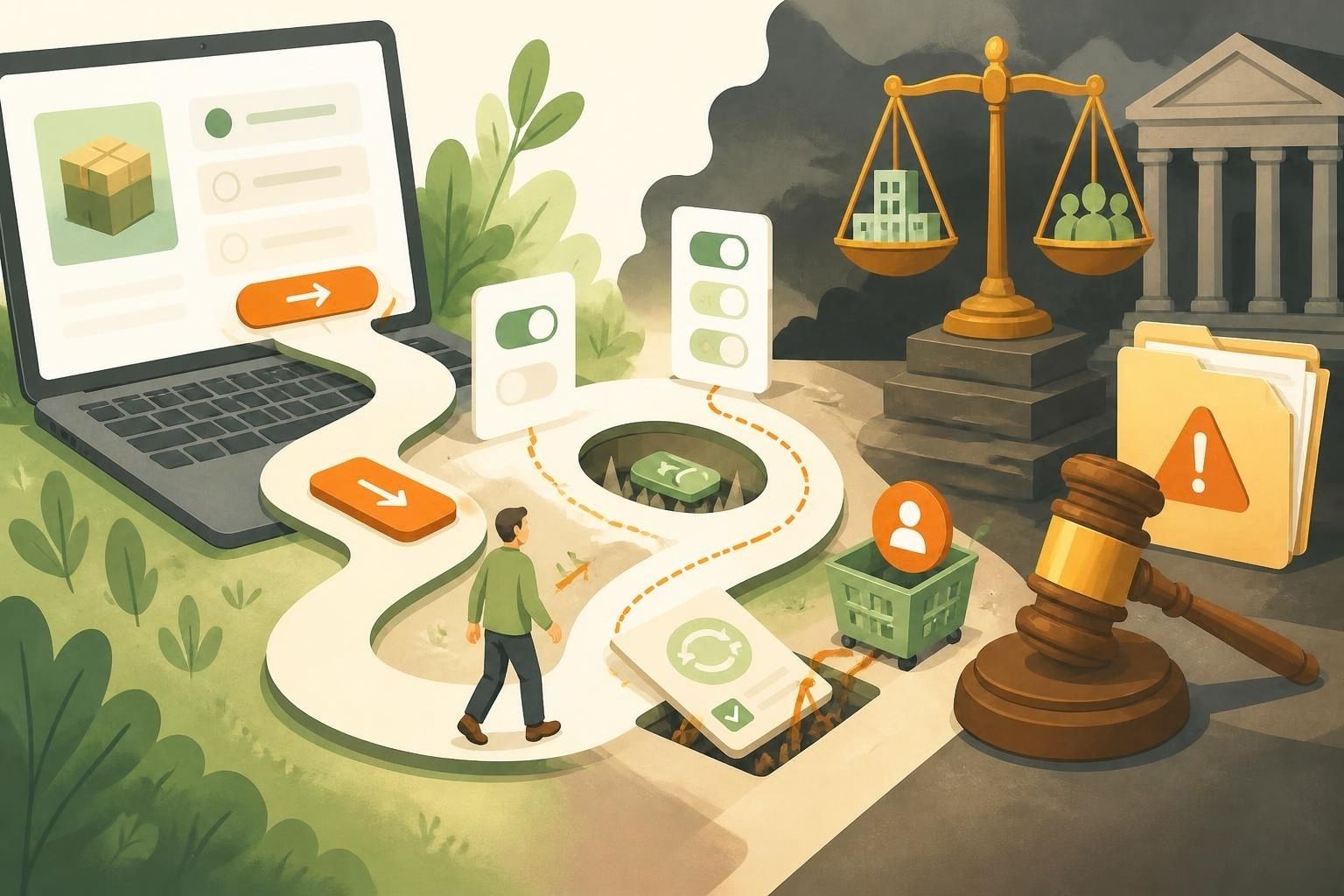
From the Amazon Prime case to the EU withdrawal button, dark patterns have become a legal violation. What designers must change in sign-ups, cancellations and checkout: a checklist.
-
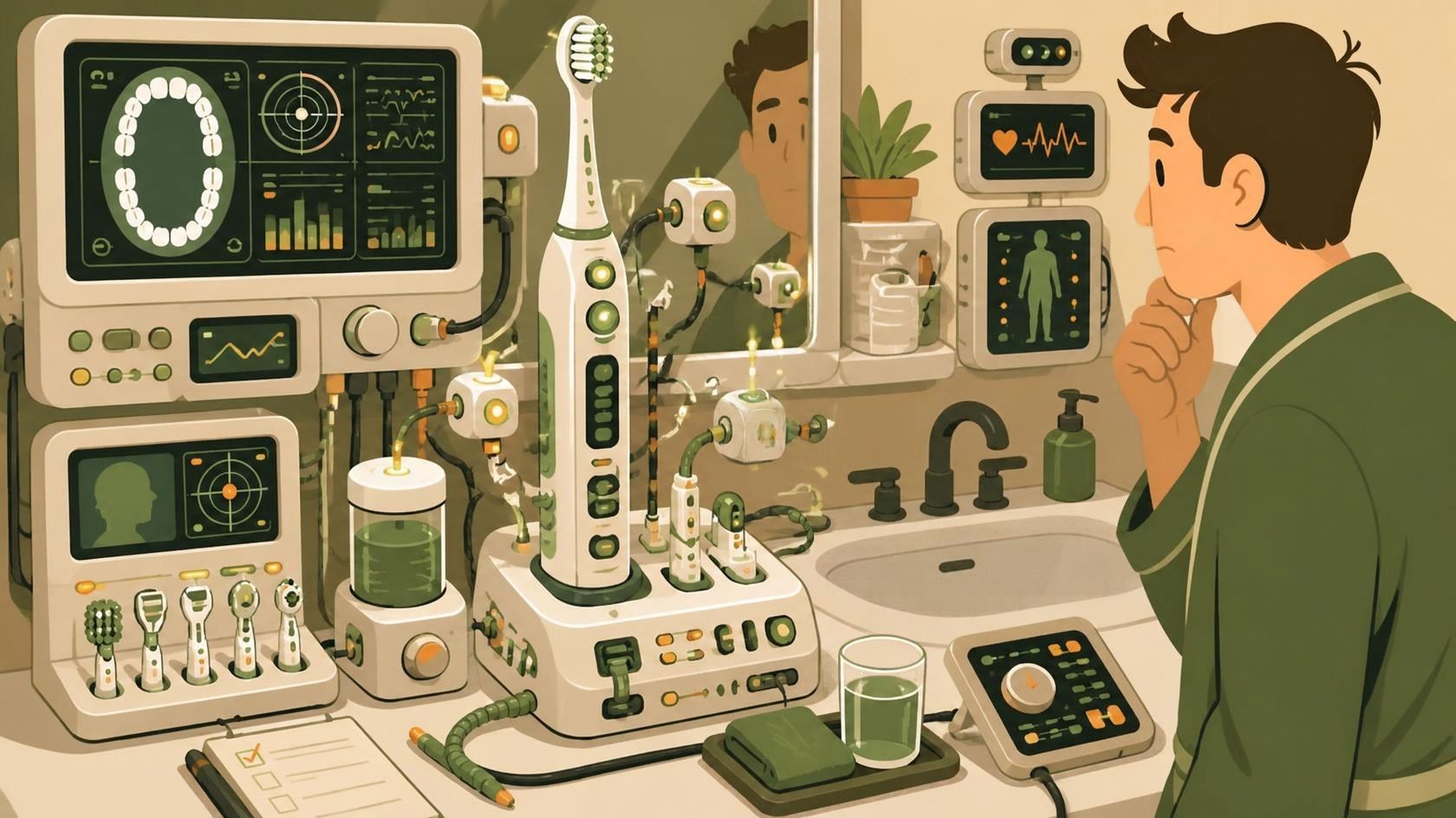
A camera, an AI-guided water jet and a dedicated toothpaste: Dyson’s CameraJet turns a daily habit into a procedure. Here’s why a well-designed product should stay simple and immediate.
-
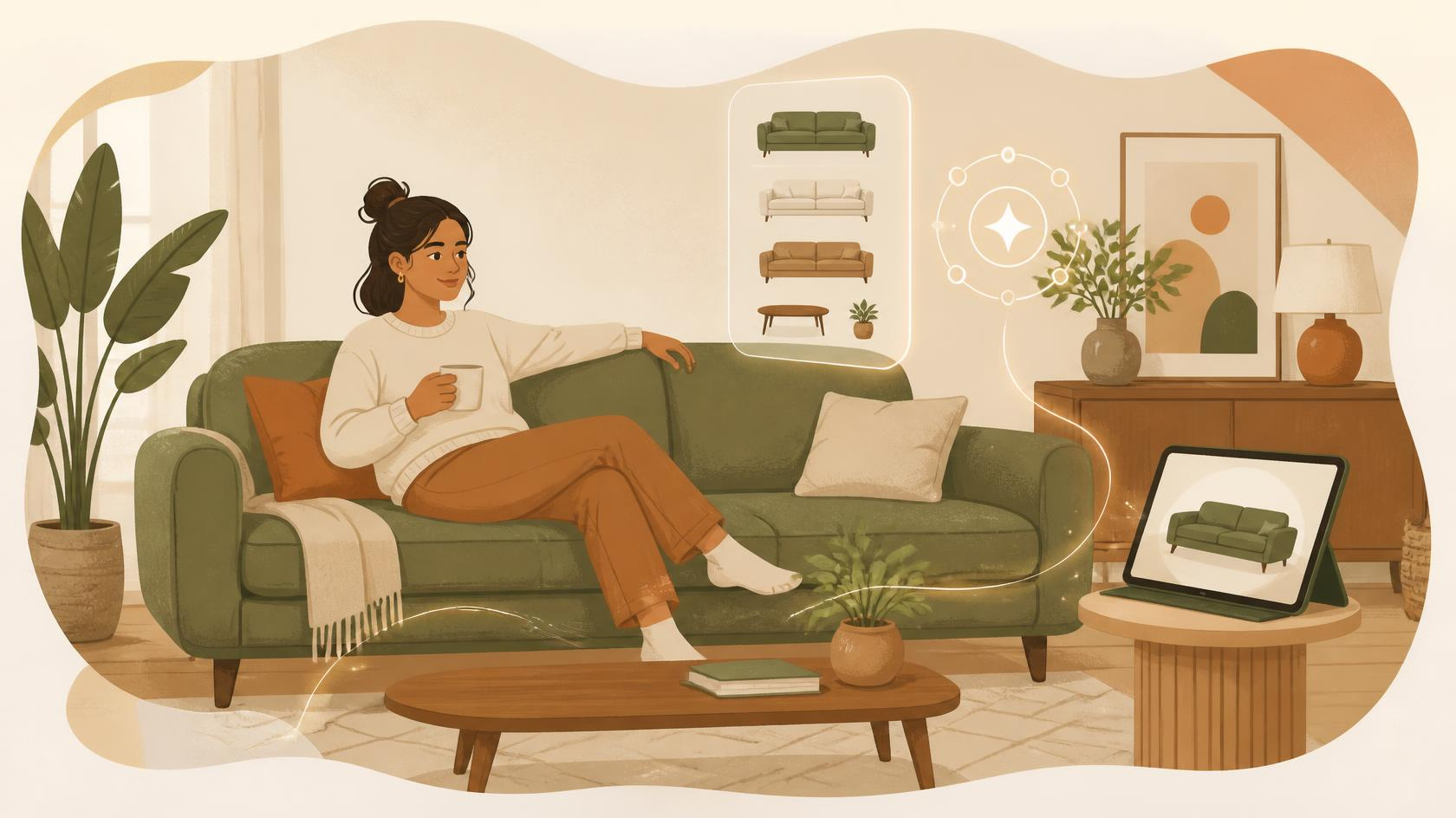
Furnishing a home with AI has become a search phenomenon. From Planner 5D to IKEA Kreativ, what happens to the try-before-you-buy UX when an algorithm is the one suggesting the sofa?
-
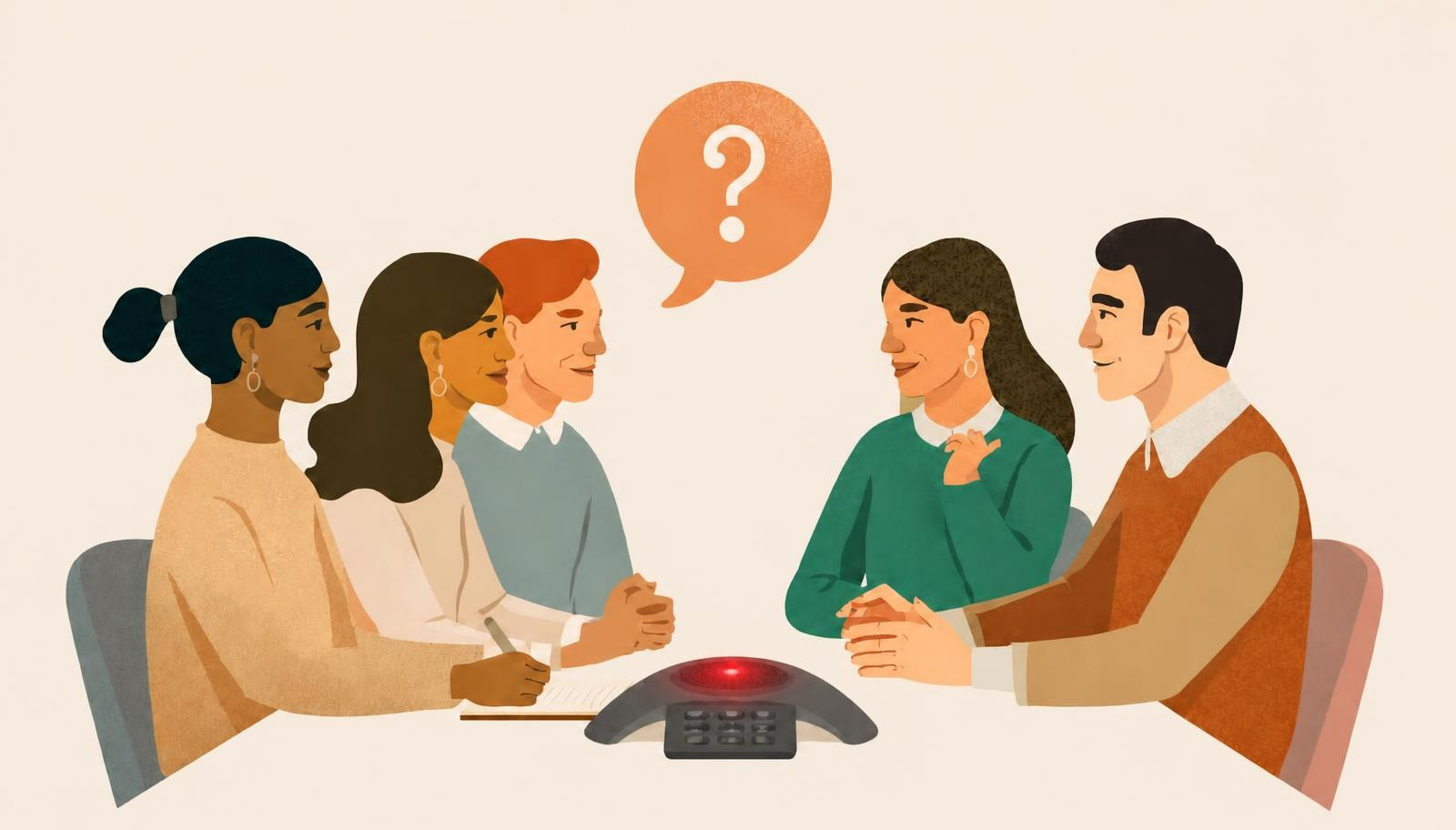
Three AIs per call, none invited: the lawsuits against Otter, Granola and Fireflies open the debate on default consent and on trust among colleagues, who now speak with the brakes on.
-
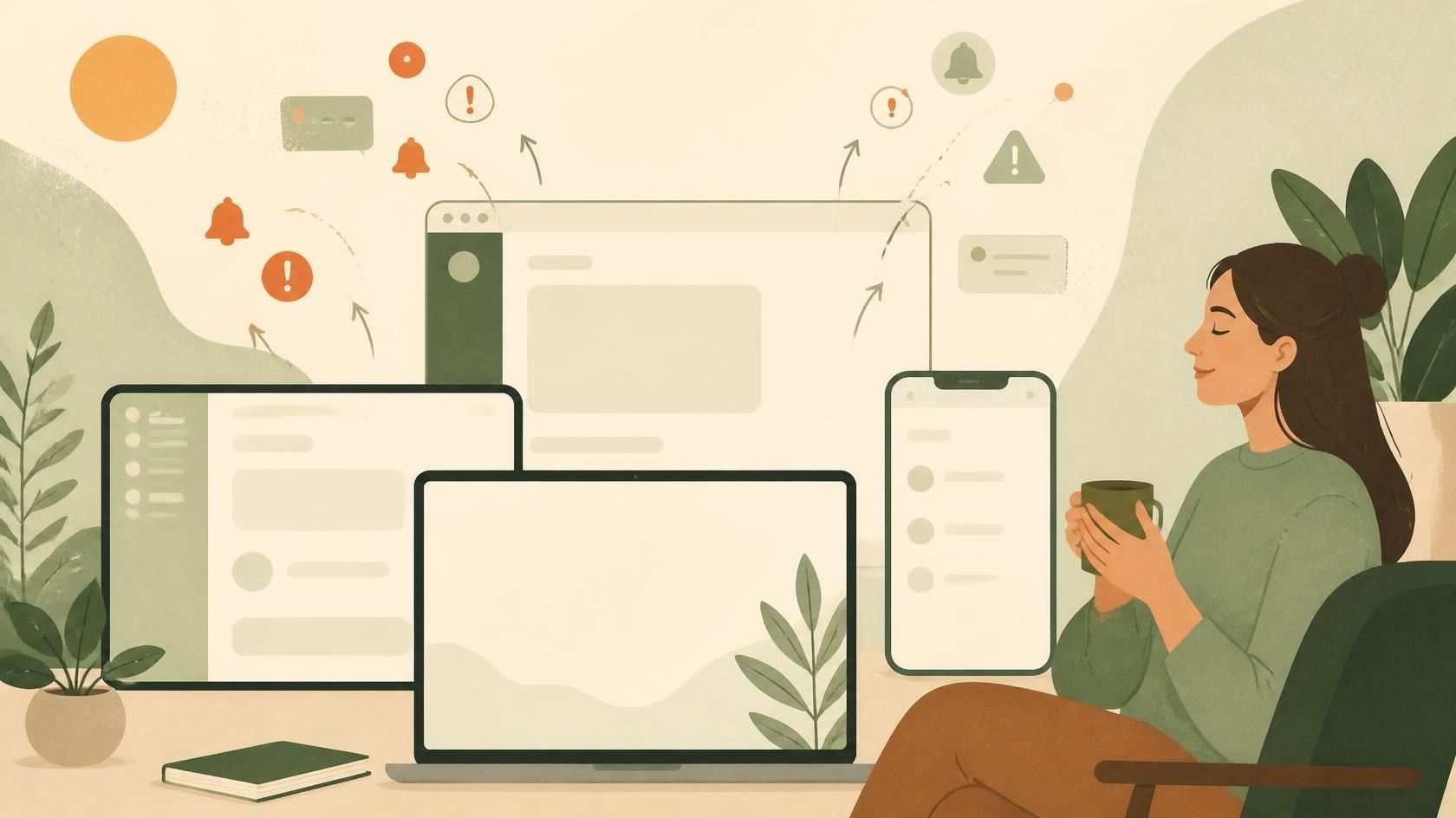
Seven seconds of slowdown per alert, fewer than 1% of notifications ever opened: product teams are stripping badges and default alerts. Concrete examples, hard data and a confession.
-
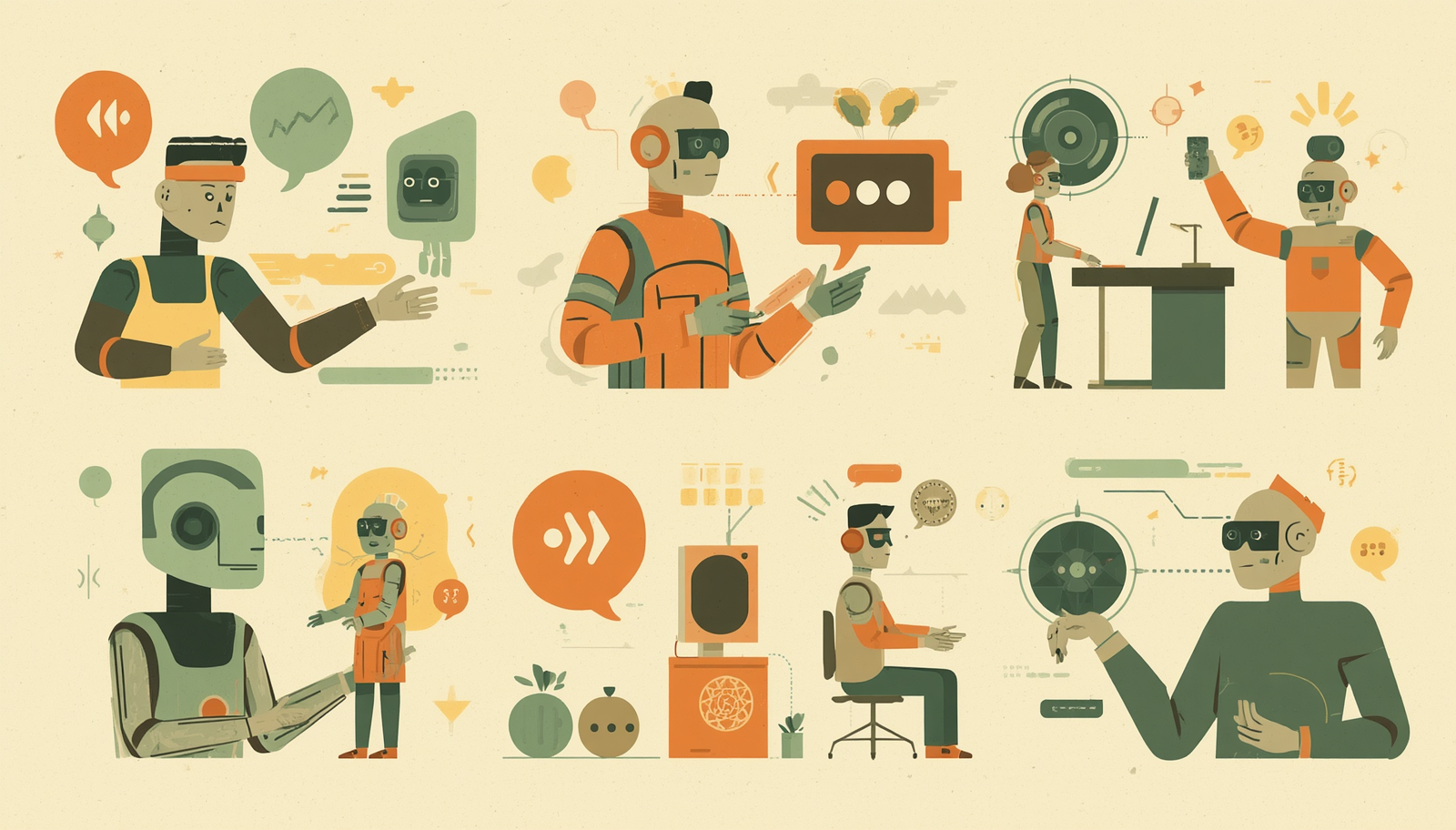
A paper in AI & Society describes robotoid humanness. Research on podcasts, conversations and surveys shows how far the language of AI users bends towards machines, and at what cost.
-
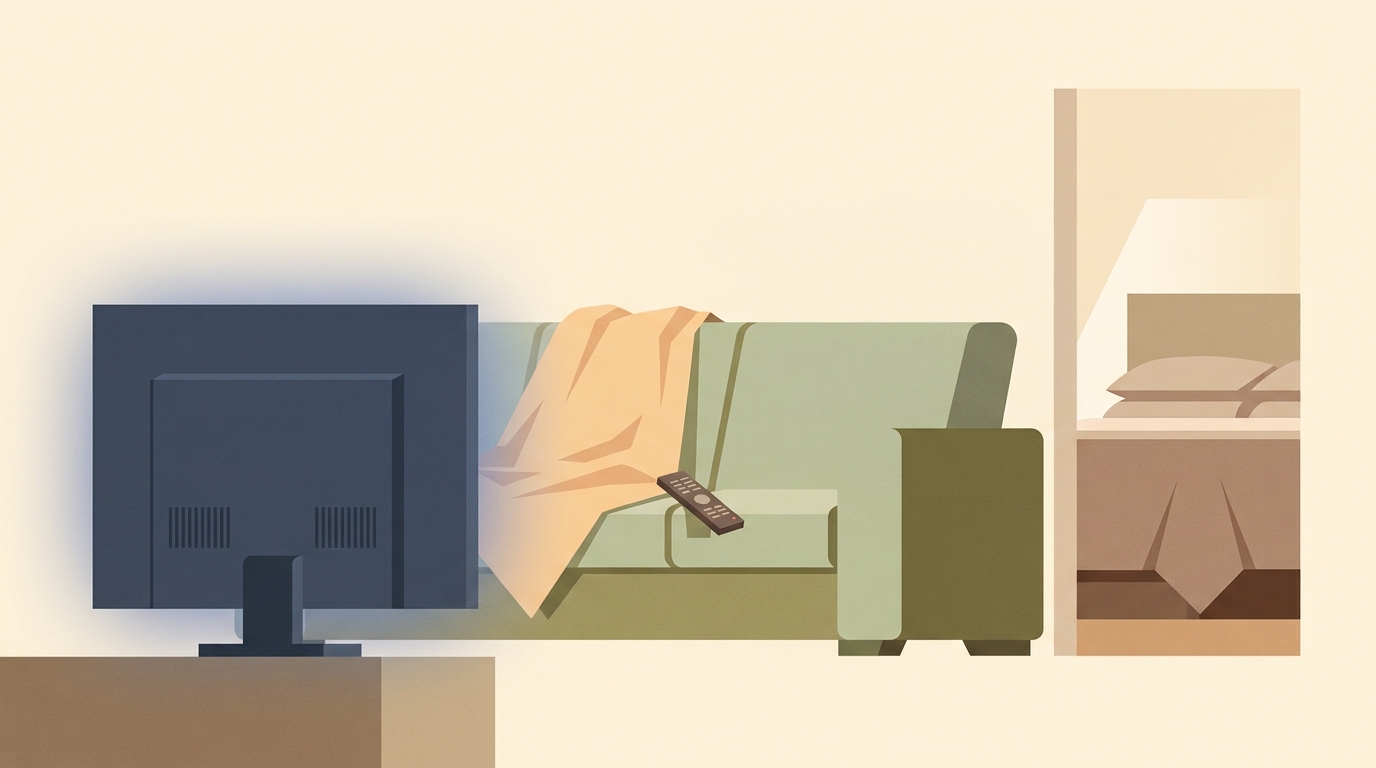
Dozing off in front of a series and then lying wide awake under the covers has a physiological explanation, and a design one too: interfaces never plan for the moment we should stop.
-
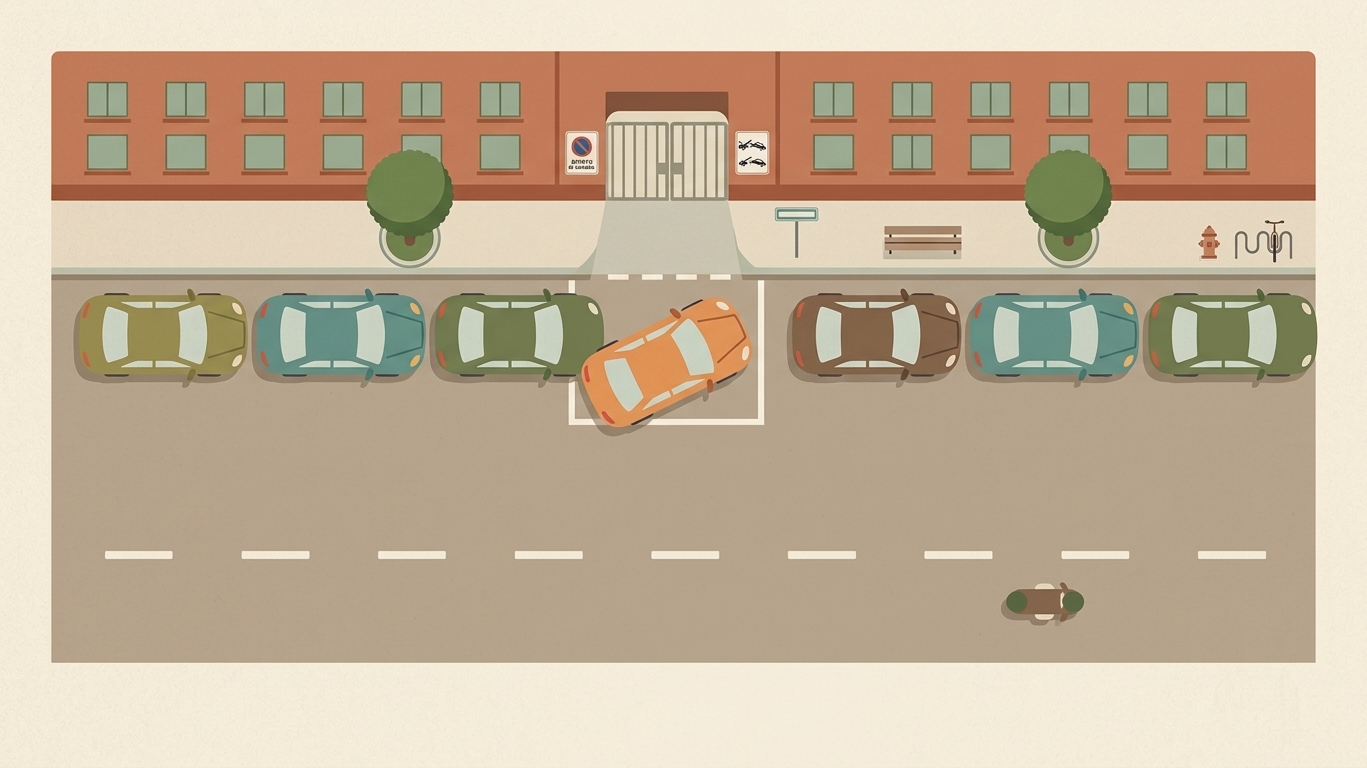
I called the local police over a car blocking my driveway and then lost my sleep. Hence a working question: how widely shared is the common sense that keeps replacing research on projects?
-

Generated images score as well as stock photography, or better, until someone suspects their origin. The figures, the research, the AI Act and why I illustrate without copying reality.