Category: Content
-
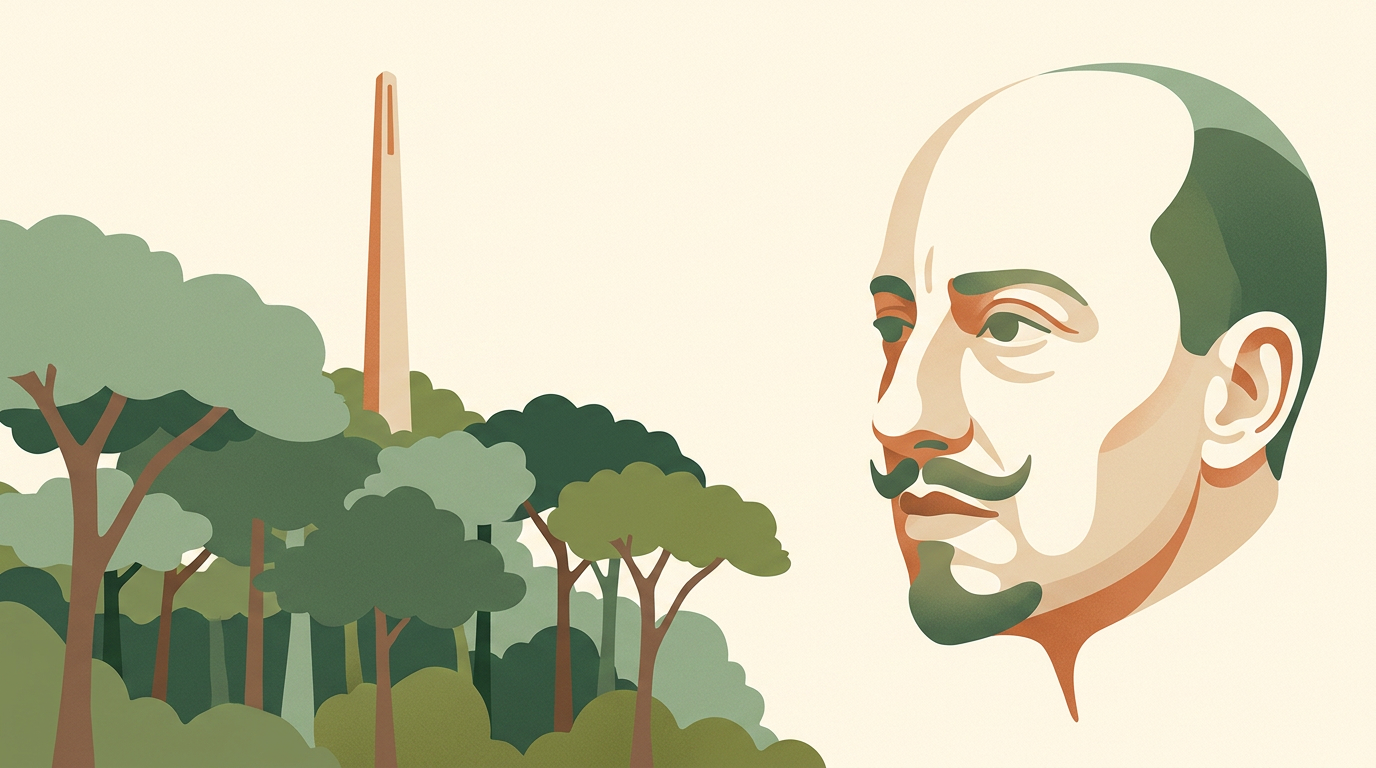
From La Rinascente to Parrozzo: D’Annunzio, the Futurists, and the artists who christened 20th-century brands. With a reflection on schwas, asterisks, and the words that actually stick.
-
Philosophers are increasingly hired by AI companies today. Italian and global data on humanities graduates, employment rates, and the human skills the job market values the most now.
-
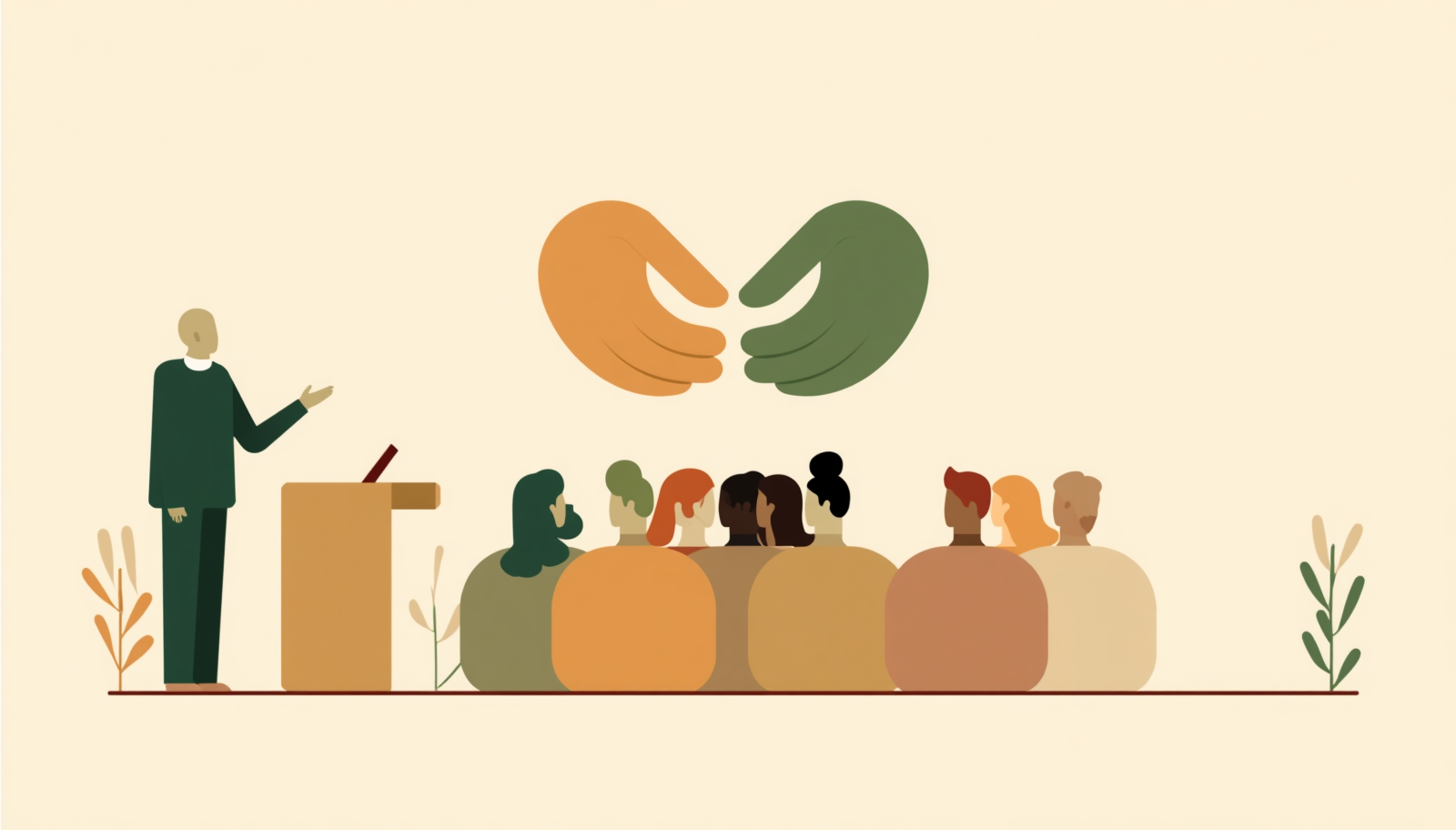
What inclusive language really means: insights from NN/g and UX Content Collective, Italy’s Officina Microtesti and DiParola, and its impact on brands and audiences.
-
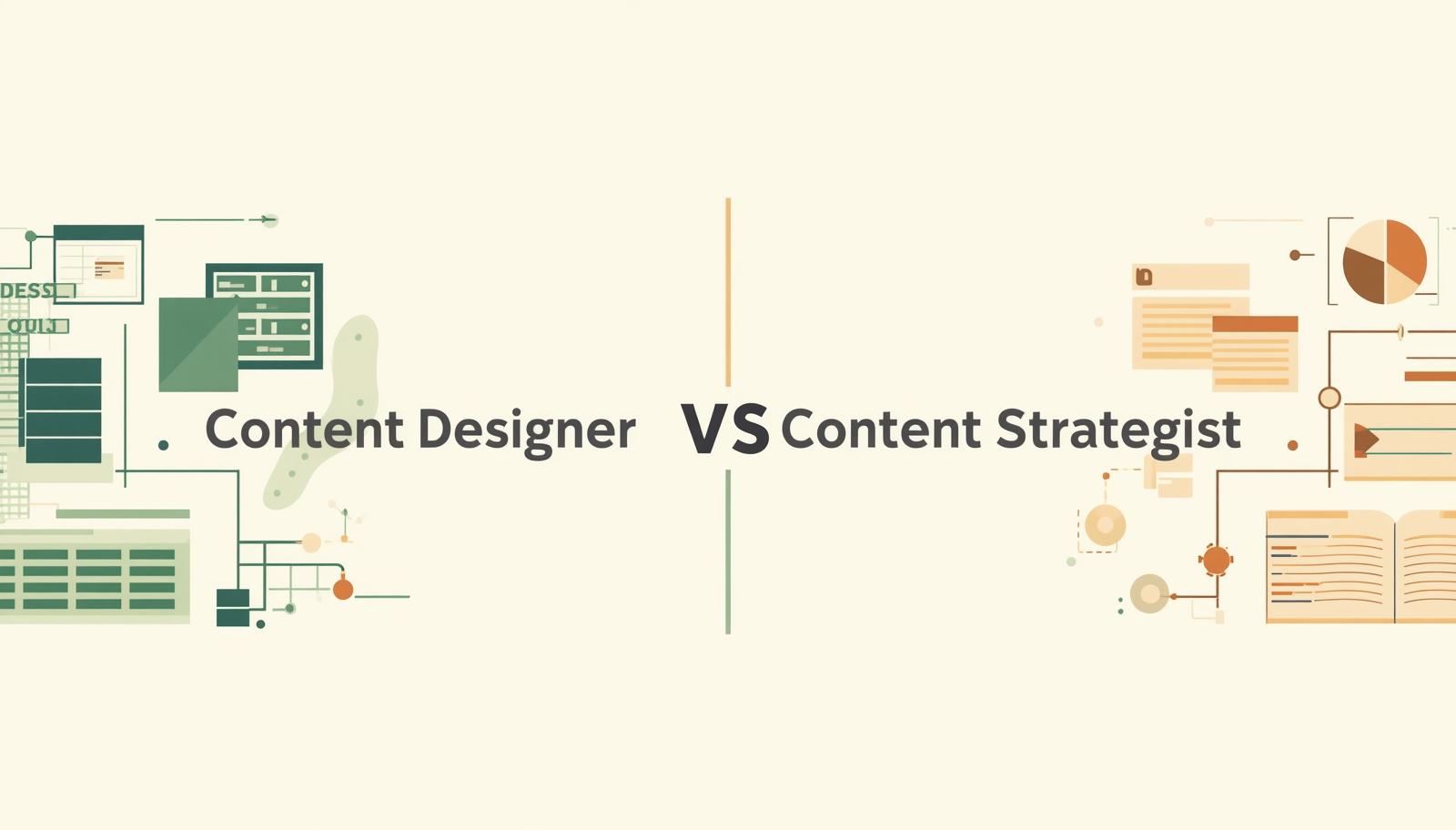
From Help Center Content Strategist to Content Designer for Microbusiness: my experience at PayPal and the real differences between content governance and UX writing, with a table.
-
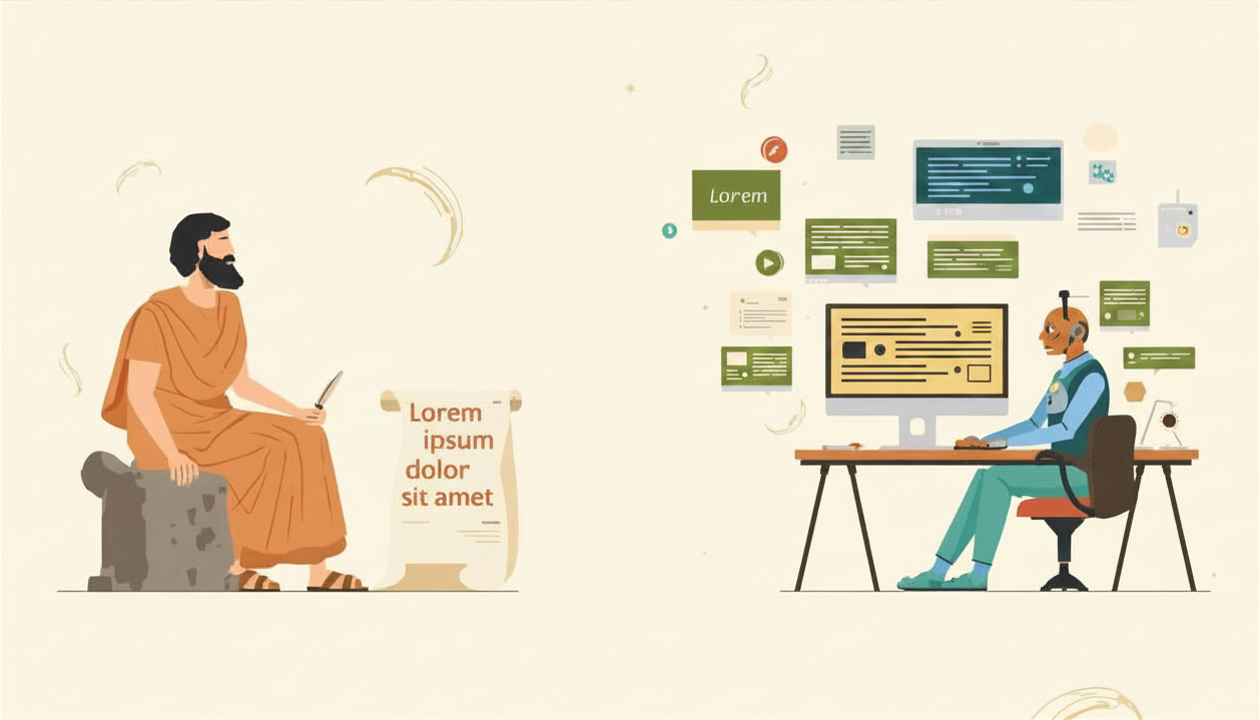
Lorem ipsum has held space in our mockups for 500 years by saying nothing on purpose. Now AI fills the blank with confident copy and quietly anchors the writer before they even start.
-
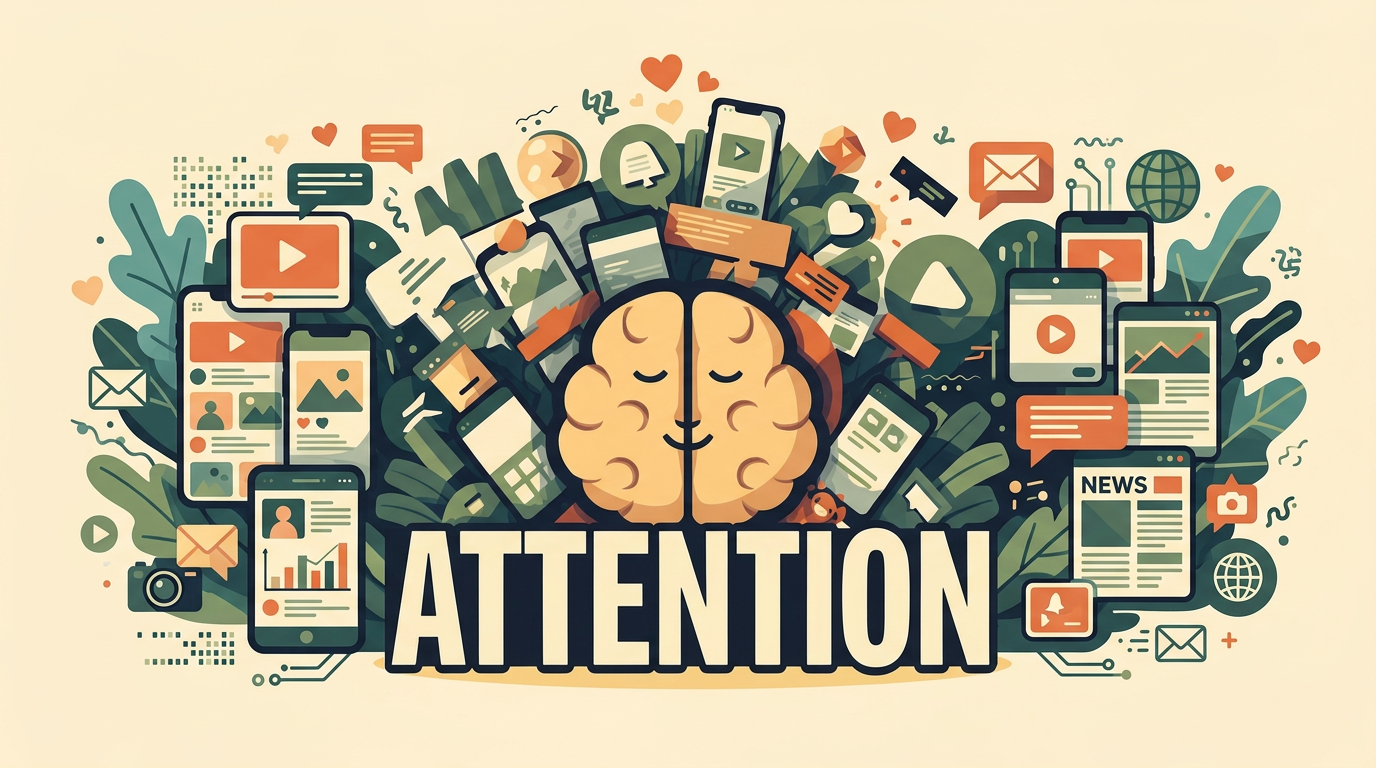
We can’t pay attention anymore — and it’s showing up in our living rooms, our browser tabs, and our nervous systems. Here’s what the science says, and what content design can do about it.
-
Forget the formulas. The best copywriting education I have come across lives in six books. They changed how I think about desire, attention, and what is really going on in a reader’s head.
-
Your 404 page has your user’s undivided attention. Here’s how three brands turned a broken link into a branding moment worth remembering, even when they go offline.
-
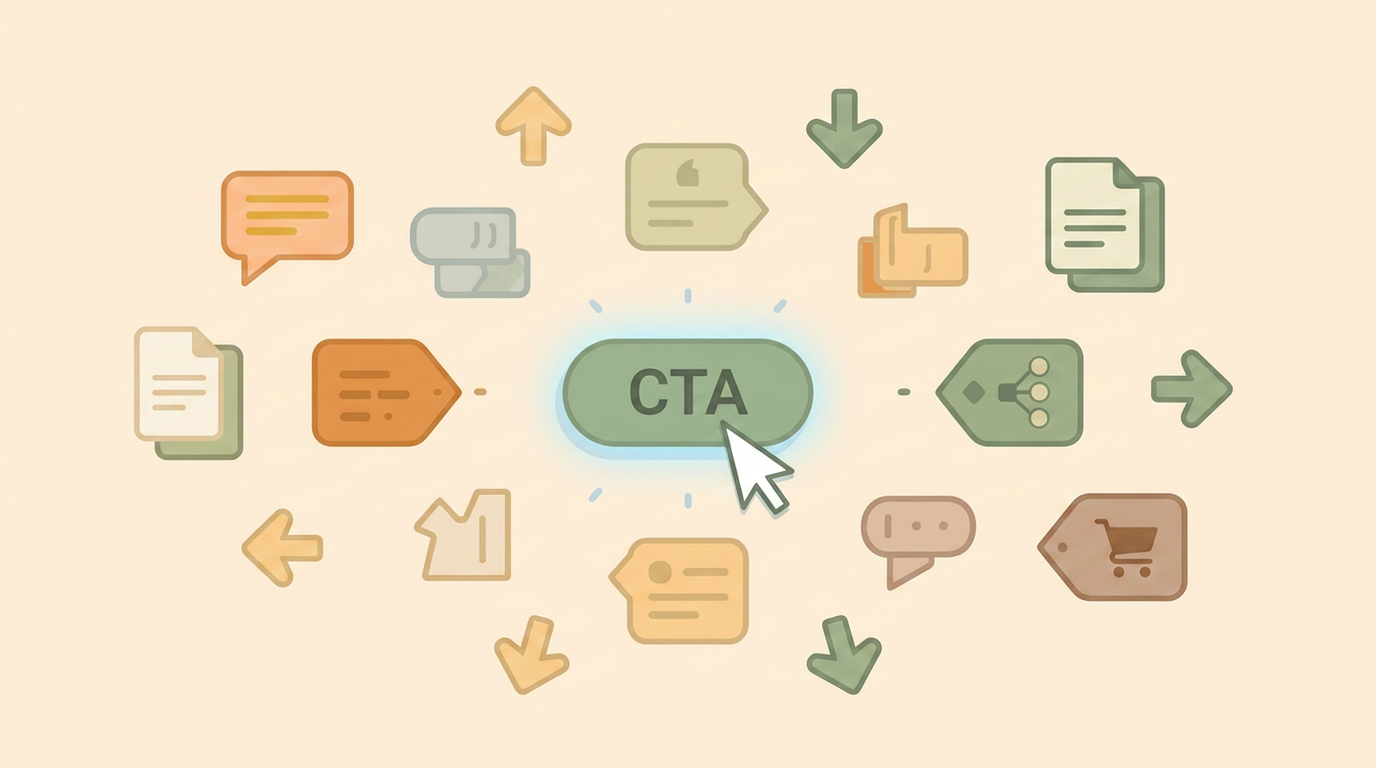
A call to action is a micro-promise, not just a label. Learn why three words can double your conversions, and what Google and Going figured out before most writers did.
-
The best UX writing is invisible. Users never notice it when it works. They just feel like the product understands them, and that feeling is the whole job. Just follow some basic rules.
-
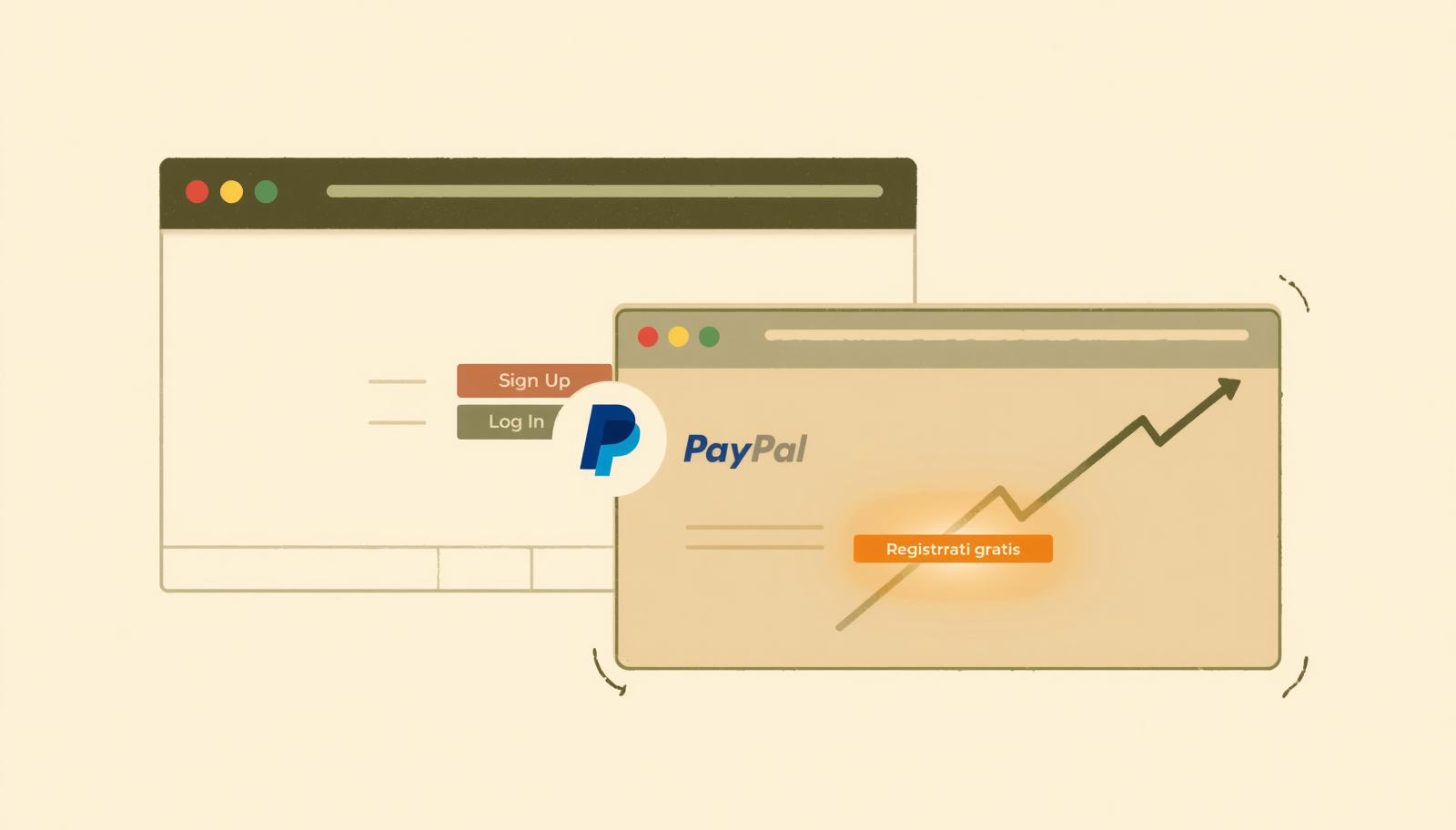
When PayPal launched in Italy, the signup button was a direct translation from English. One small, intentional adaptation drove a 13% jump in signups and a lasting lesson in localization.