
Category: Uncategorized
-
Google Maps. I drag the pegman onto a street I once knew and scroll back through the years to find the people I lost. A strange, tender habit fueled by AI, and I am far from alone in it.
-
Tennis was my private 90s obsession while Italy lived for soccer. Now Sinner is world number one, the Azzurri keep missing the World Cup, and the underdog finally takes the whole room.
-
Boomers are exiting, GenXers get cast as workaholics, Gen Z draws hard boundaries. As a GenXer who loves her work, I make the case for the middle. In medio stat virtus, with the data.
-
Microsoft Teams runs 320 million users and most of our workdays, yet on my Mac it still freezes mid-meeting and forces a redial. A look at the bloat, the rivals, and why we need it.
-
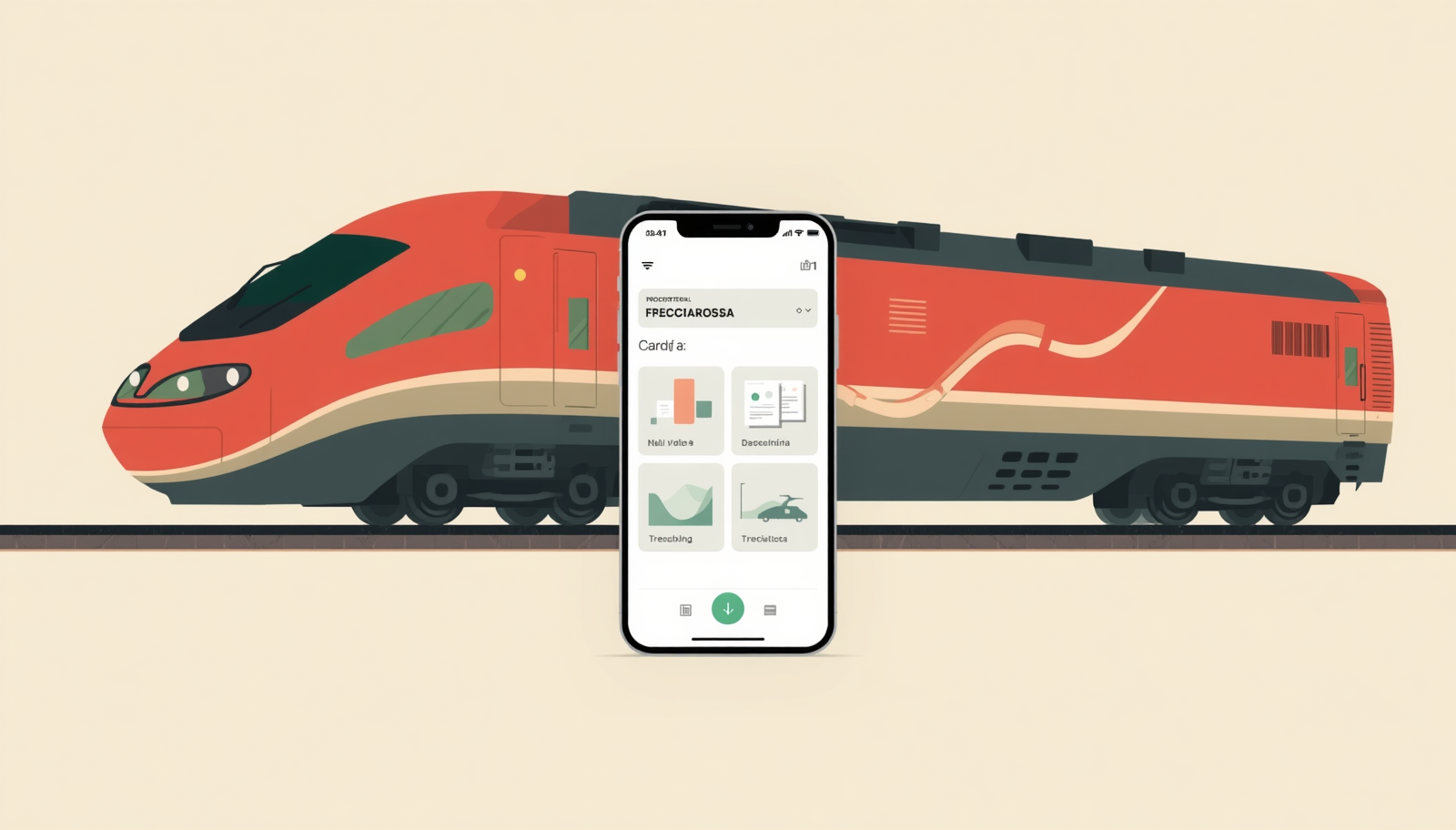
Trenitalia redesigned its app and website, and the outcome is more visual clutter, sync failures, a hidden price hike, and a complaints process that apologizes without resolving anything.
-
Live shopping converts at up to 30%. Traditional e-commerce converts at 2 to 3%. That gap is the entire story of why TikTok Shop, eBay Live, and their rivals are not going anywhere.
-
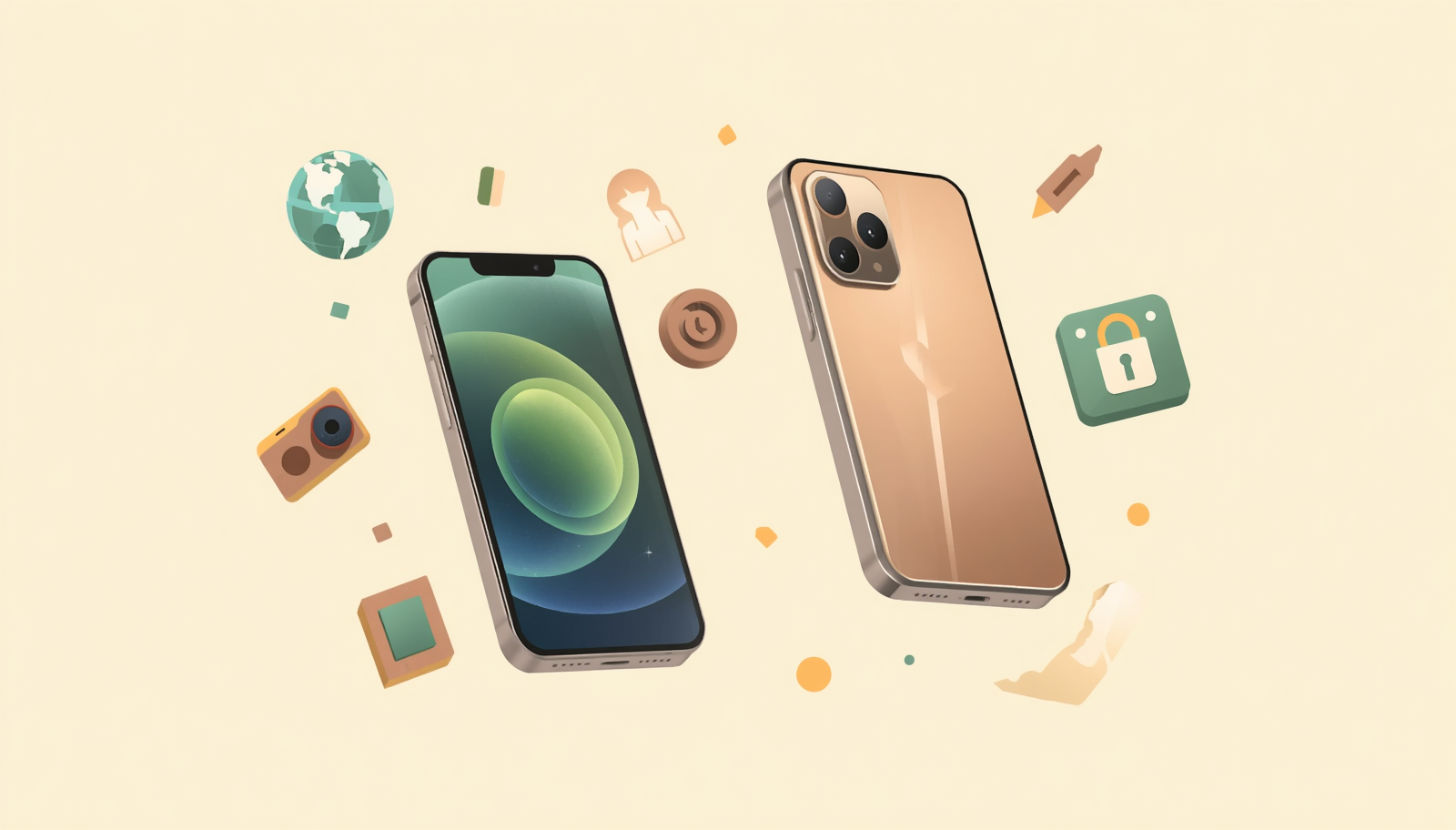
Android owns 70% of the global market, iOS owns the US, and the two sides couldn’t be more different in who uses them, why, and what that means for anyone designing digital products.
-
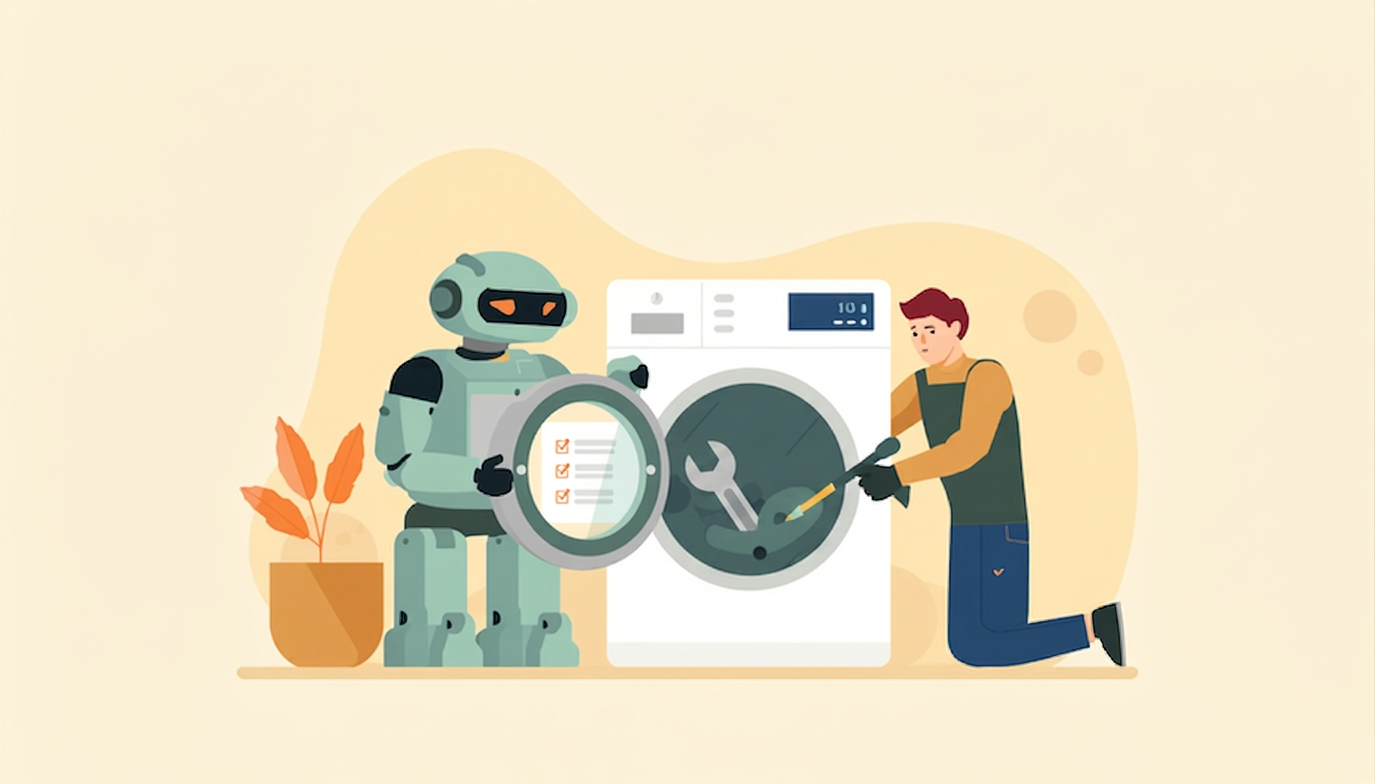
Everyone talks about AI replacing white-collar work. But when my 14-year-old washing machine broke, a chatbot and a patient boyfriend fixed it for just 30 euros. Times are changing.
-
What happens when your external CS partner operates in a silo? A six-month warranty nightmare taught me that integration, not good intentions, is what actually protects your brand.
-
There is something almost theatrical about a flip phone: the satisfying snap of closing a call, the clean silhouette in your pocket, and the sense that a phone should feel like something.
-
Three Italian consumer brands vanished not because they were bad, but because distribution, brand mismatch, and incumbent power made survival impossible. It still happens in tech.
-
We can’t pay attention anymore — and it’s showing up in our living rooms, our browser tabs, and our nervous systems. Here’s what the science says, and what content design can do about it.