
Brands & marketing
Brands, launches, campaigns and market strategies: real cases from Italian and international companies, seen through the eyes of a communication pro.
-

From June 19, 2026, EU eCommerce stores must include a visible return button. The rule sounds simple, but the hidden costs for businesses and implications go beyond a technical fix.
-
De Cecco opens its first Store in Pescara: why telling a brand’s story builds loyalty and price premium. Italian cases like Lavazza and Ferrari, the data and my own digital experience.
-
From the short-film ads of Carosello, Barilla and Coca-Cola to today’s six seconds: why advertising stopped moving us, what the studies show, and my own Kijiji experience at Sanremo.
-
Tennis was my private 90s obsession while Italy lived for soccer. Now Sinner is world number one, the Azzurri keep missing the World Cup, and the underdog finally takes the whole room.
-
Live shopping converts at up to 30%. Traditional e-commerce converts at 2 to 3%. That gap is the entire story of why TikTok Shop, eBay Live, and their rivals are not going anywhere.
-

What happens when your external CS partner operates in a silo? A six-month warranty nightmare taught me that integration, not good intentions, is what actually protects your brand.
-
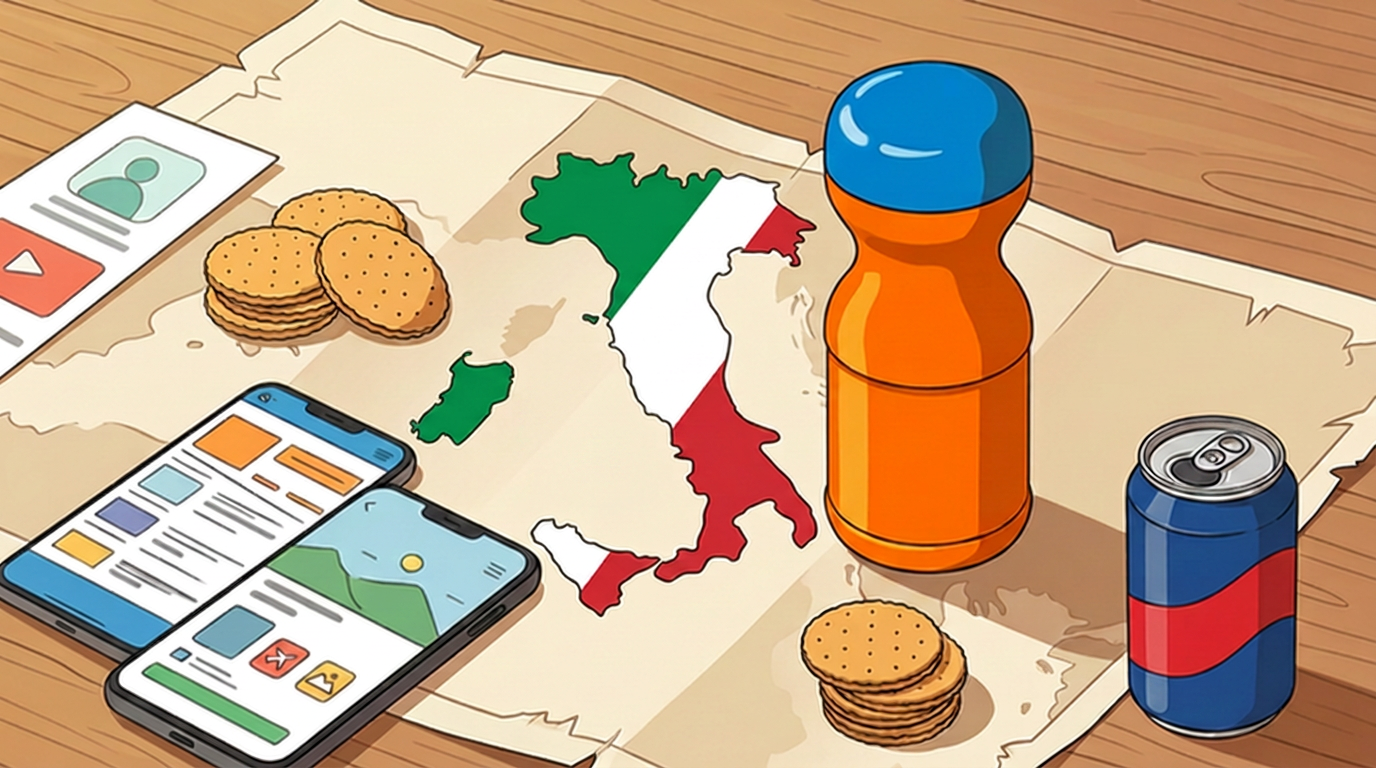
Three Italian consumer brands vanished not because they were bad, but because distribution, brand mismatch, and incumbent power made survival impossible. It still happens in tech.
-

The Ferrari Luce lost Ferrari $4 billion in market cap on launch day. It also made the whole world stop and talk. That’s not a failure. That’s a masterclass in brand disruption. Let me tell you why.
-

Some briefs demand irony, timing, and a finely calibrated wink. This one had all three, and a shape to match. No machine saw it coming. A copywriter did.
-
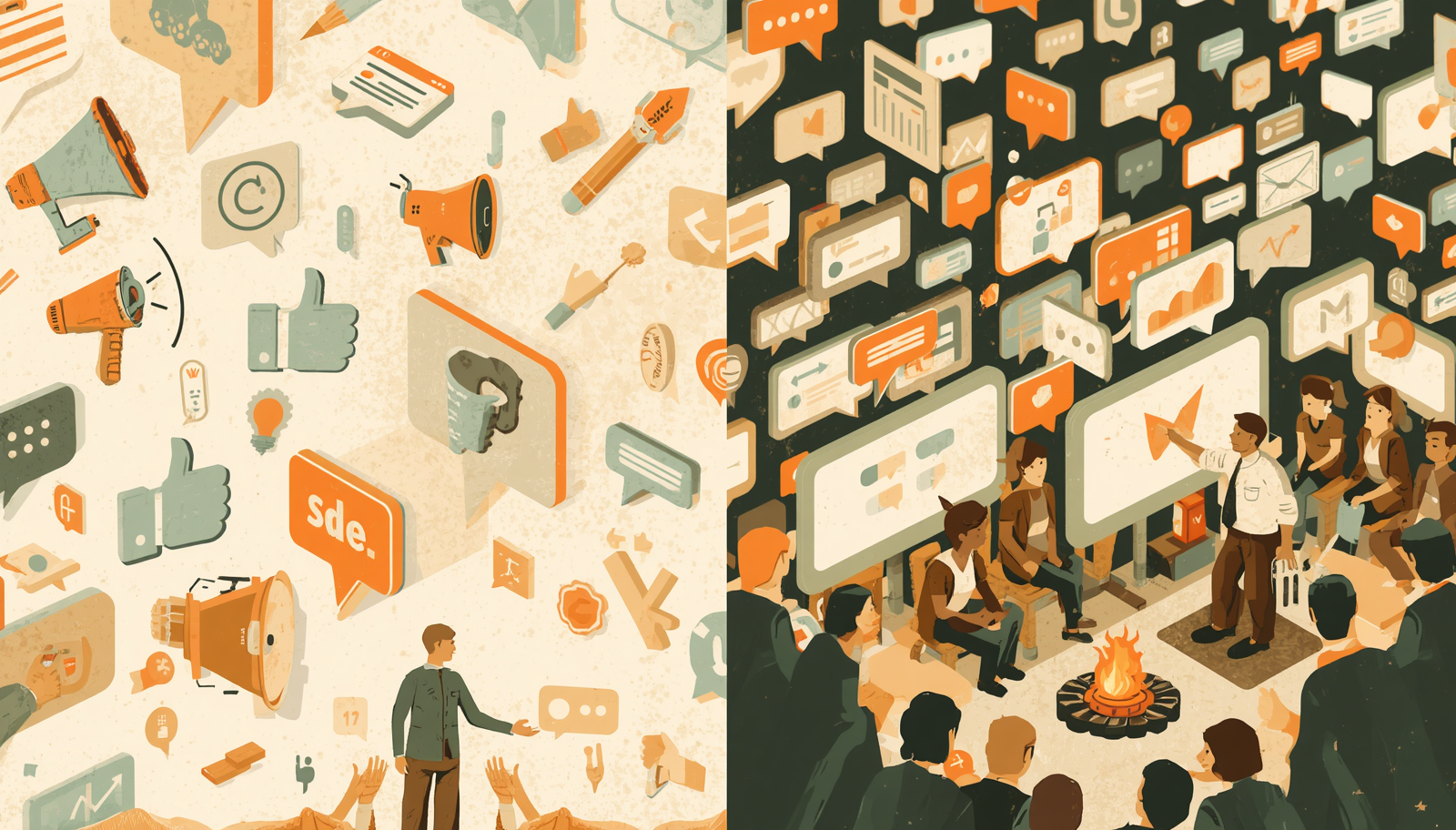
Social media in 2026 looks nothing like the playground marketers fell in love with a decade ago. The platforms are the same on our screens, but the rules underneath have been rewritten.