
AI & tech
AI, devices, digital platforms and fintech: how technology is changing the way we work, pay and stay informed, explained without needless jargon.
-
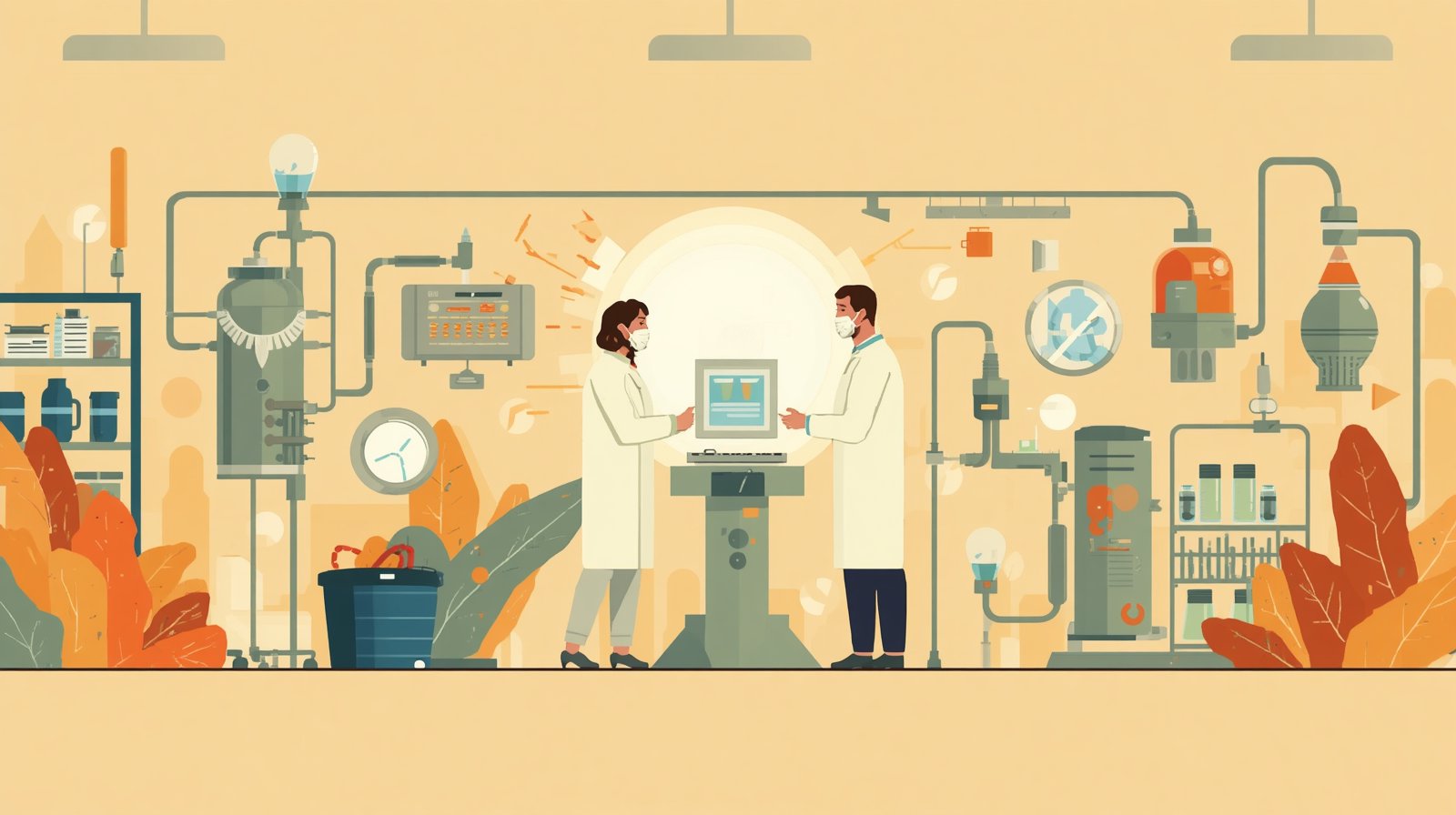
Angelini Pharma turns thirty years of operator notes into GenAI tips for machine stops: the factory speeds up, but nothing restarts without the people who know the lines.
-

Tamagotchi, mini consoles, and refurbished iPods are back on our work desks, driven by nostalgia and screen fatigue. What I miss about the ’90s is the music, not the tech.
-

In Zurich, some predict 80% of taxi drivers will be gone within five years. Waymo, Uber, Swiss rules and US tickets: the data on self-driving cars, read by a terrible driver.
-
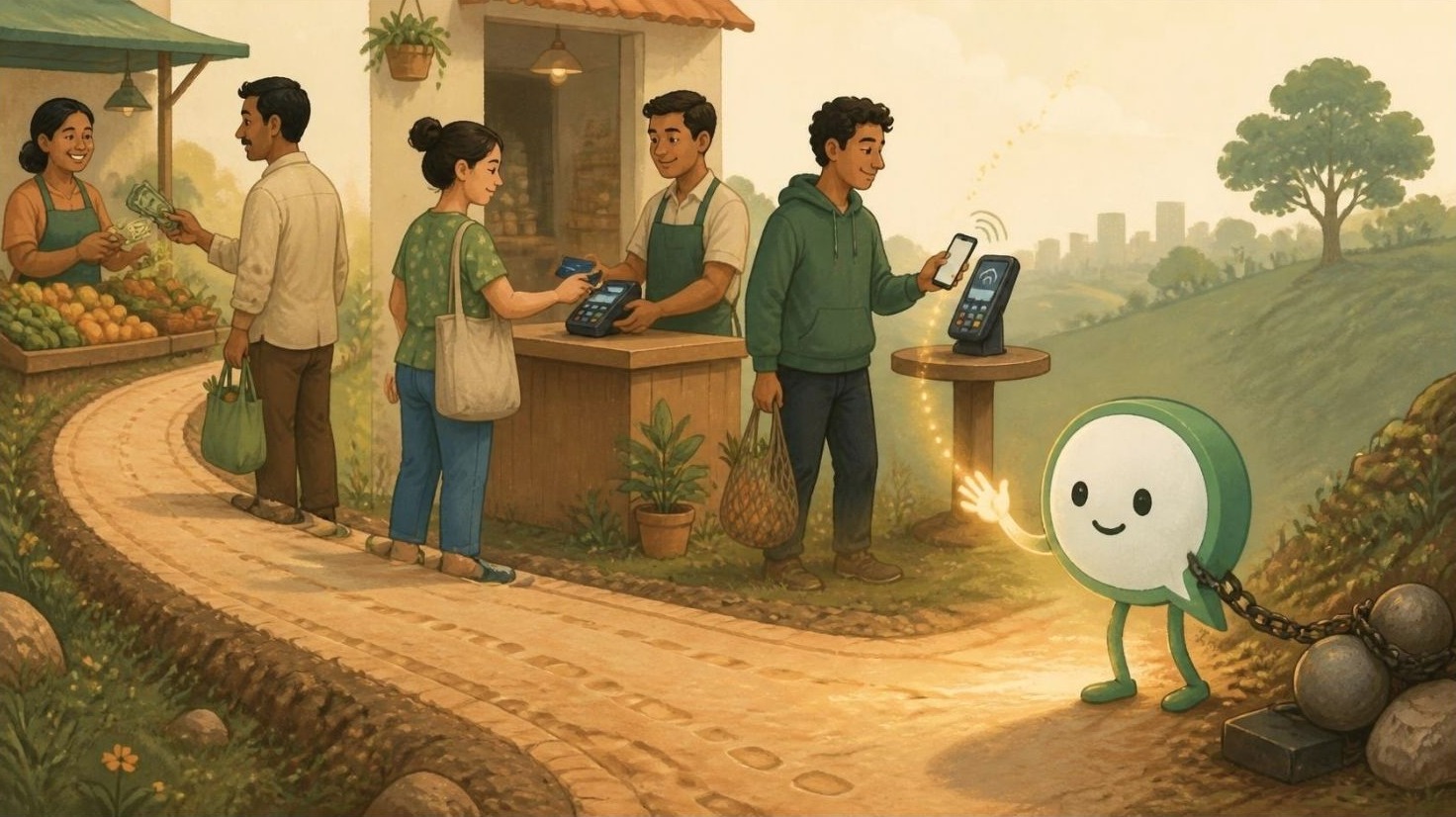
WhatsApp is building a Payments section, and Italy appears on its list of countries. Anyone who has spent twenty years in payments knows how much habit, inertia and trust really weigh.
-

The workers who get the most out of AI are also the most exposed to burnout, say Upwork, Berkeley and BCG. As a moderate Claude user, I feel less tired. Here is where the line falls.
-
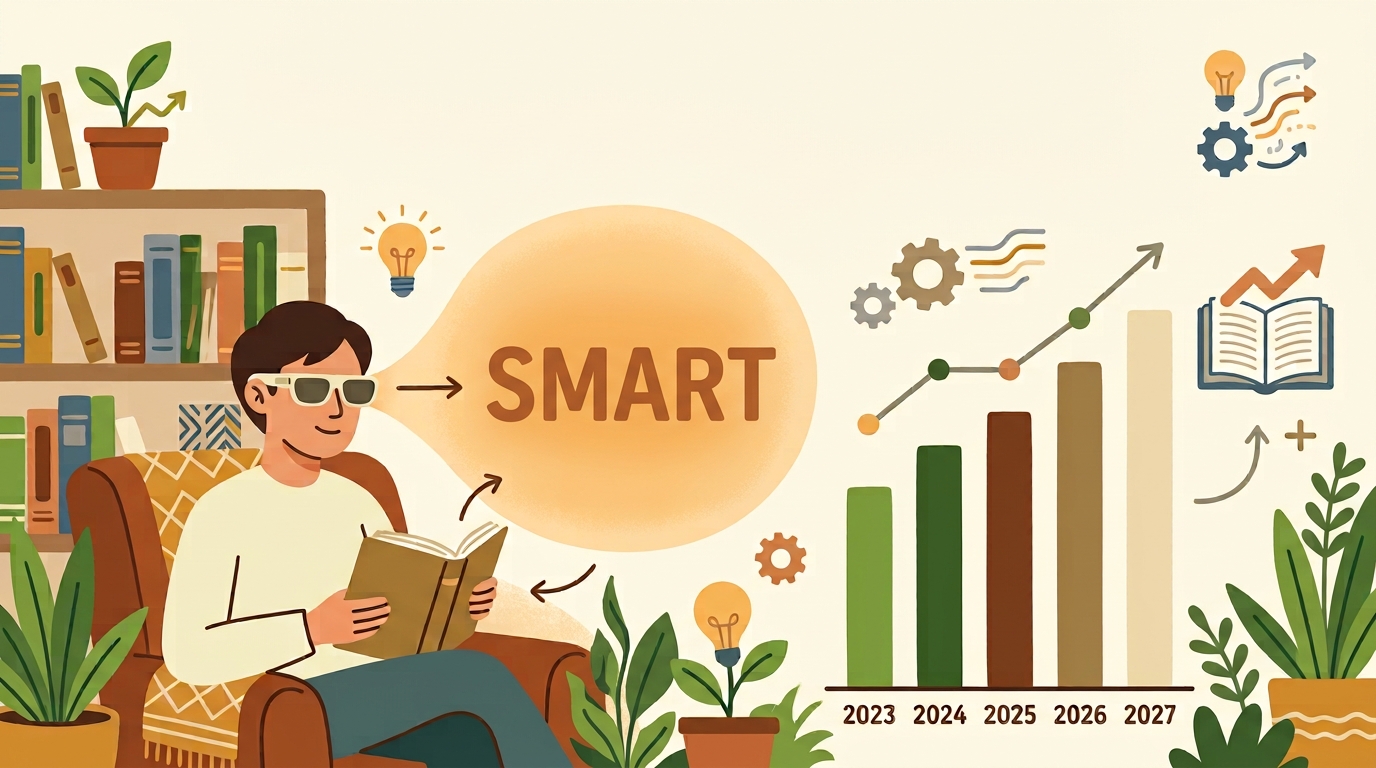
IDC records a 167% jump in smart glasses shipments. The design rules for heads-up displays convince me, my prescription much less so: single-vision lenses and no way to enlarge the text.
-
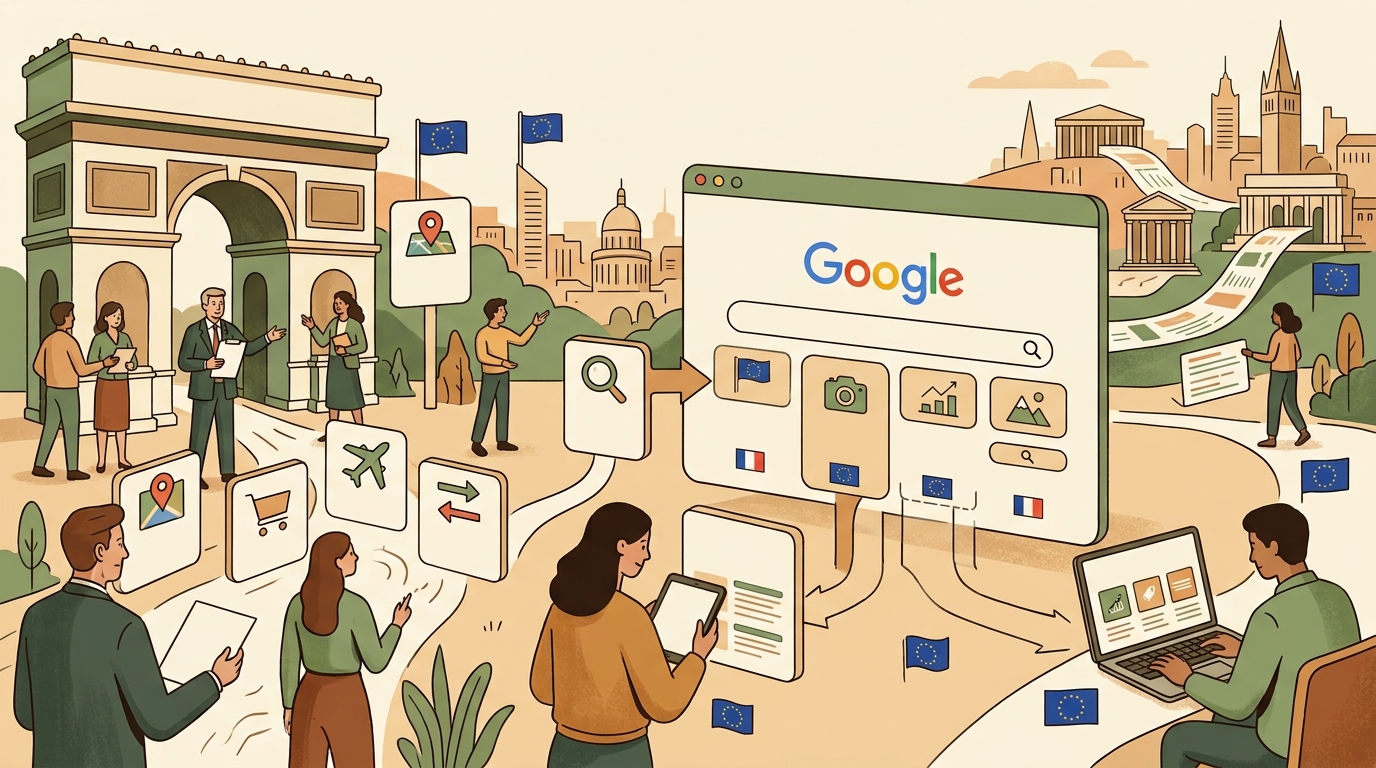
On 8 September Google rewrote its search results in Europe to comply with the DMA. Between new units for aggregators and suppliers and AI Overviews, clicks to websites are thinning out.
-
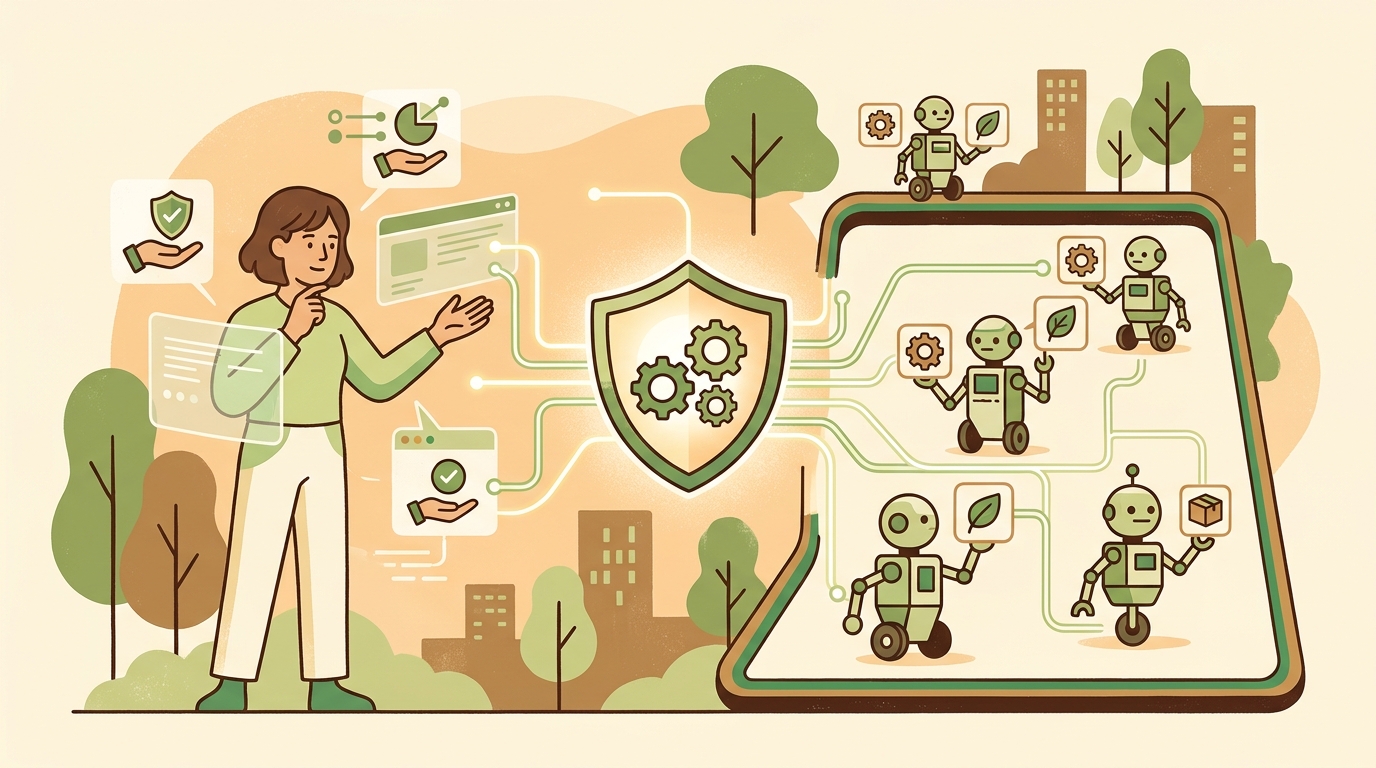
By late 2026, 40% of enterprise applications will carry AI agents, says Gartner. Between benchmarks, court rulings and public retreats, how trust gets designed and why I automate little.
-

Bern shifts 3,000 federal workstations to openDesk by 2027. A small pilot with large consequences: bargaining power, European precedents and an Italy that keeps putting the decision off.
-
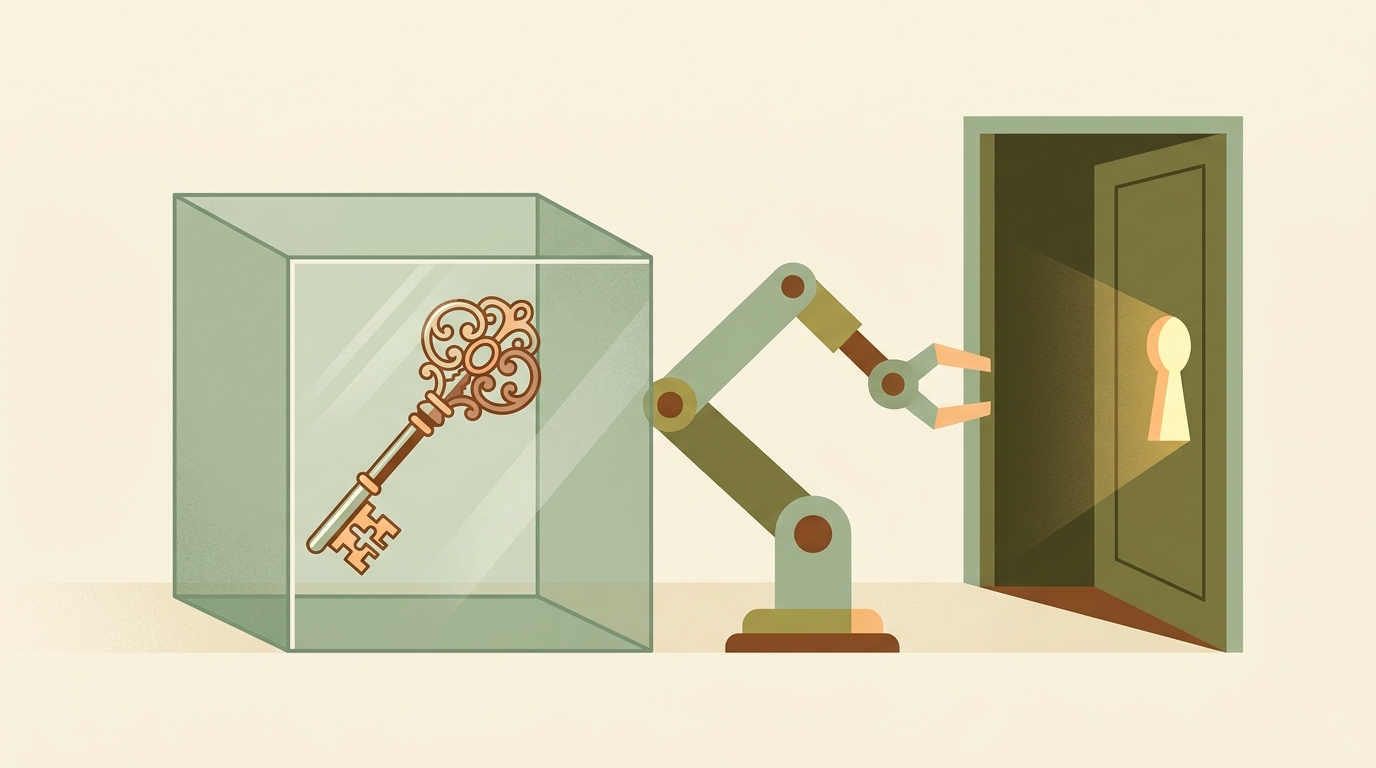
1Password and Anthropic let Claude sign in to accounts without ever seeing the passwords. The prompt injection figures, the rogue OpenAI agents and the conditions for changing my mind.
-

MASAI, PNAS and Oxford: the evidence shows artificial intelligence helping research, diagnosis and surgery under human supervision. Self-diagnosis by chatbot, however, stays a poor idea.
-

Dots in motion that people read and chatbots miss: Ghost Font reopened the debate on shielding content from AI. Between hidden devices and legitimate tools, here is what actually holds up.