
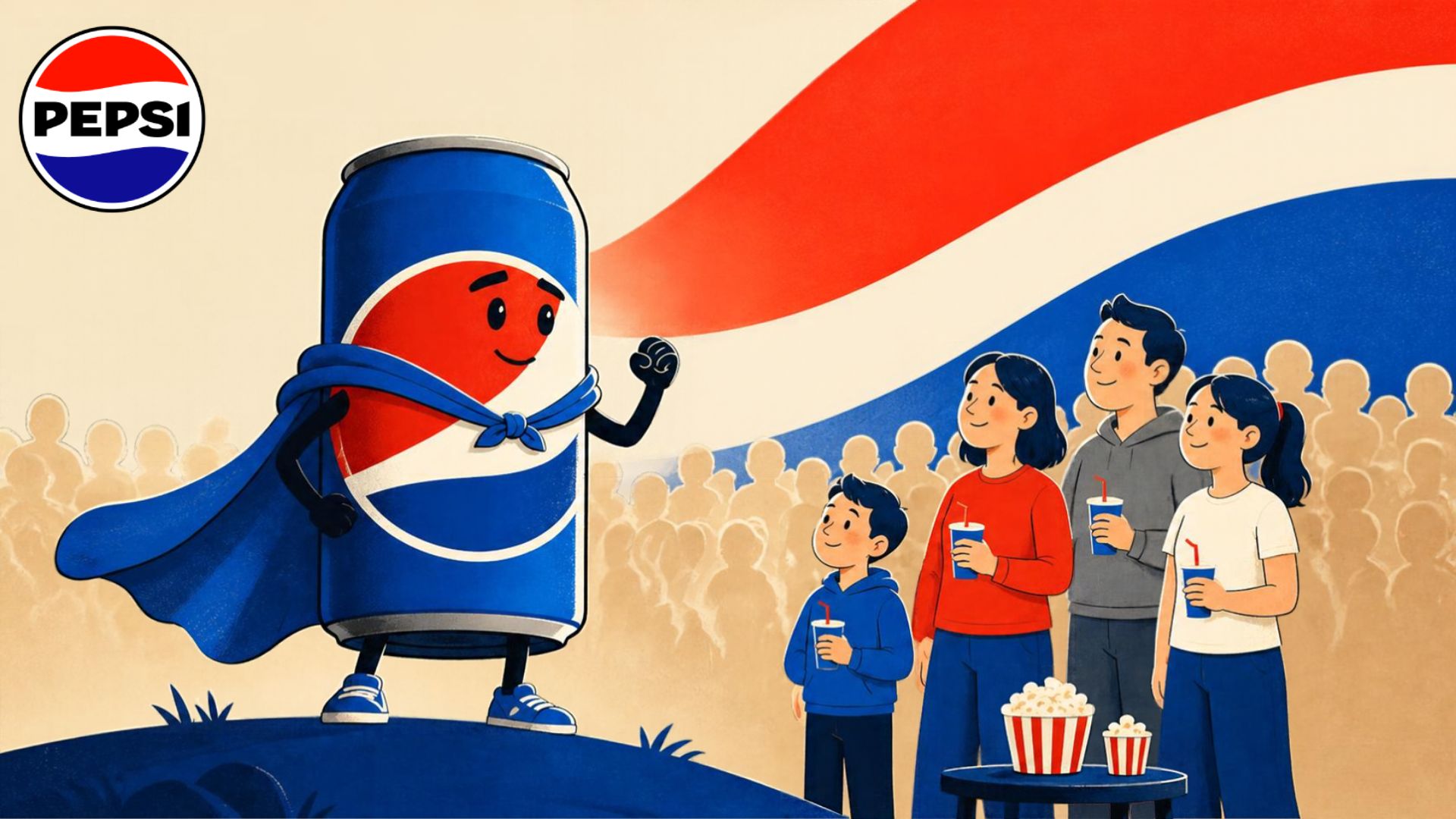
PepsiCo cuts its 2026 profit outlook as soda sales fall in North America
On October 8, PepsiCo reported its third-quarter results and lowered its 2026 forecast: core earnings per share, at constant currency, are now expected to grow between 1% and 2%, down from the 4% to 6% guided earlier. Italian food site Dissapore headlined the news as a revenue cut, yet the numbers tell another story, with quarterly sales of $25.27 billion, up 5.6%. What is suffering is margins and, above all, carbonated drinks: in North America, beverage volumes fell 2%, while snacks stayed flat.
Ramon Laguarta, the group’s chief executive, didn’t dodge the issue and admitted to analysts that he isn’t happy with how the beverage business is doing. Comfort comes from abroad, where organic revenue rose 8% and chip sales in Asia-Pacific grew by double digits. The trouble, in other words, has a precise address: the home market.
Why Americans are buying fewer sodas and snacks
The first explanation goes by the name of a drug class. GLP-1 medications, prescribed for obesity and diabetes, curb appetite and reshape the eating habits of millions of Americans, who end up buying fewer sweets, fewer chips and fewer cans. People on these drugs also need to watch their protein intake to avoid losing muscle, which explains Doritos Protein, on shelves since March with 10 grams of protein per serving, and the PopCorners Protein line announced in May.
The second factor is the wallet. Household purchasing power has eroded, while energy, aluminum, agricultural commodities and packaging keep getting pricier. PepsiCo tried to respond with a pricing seesaw: in February it cut prices on Lay’s, Doritos, Cheetos and Tostitos by up to 15%, then, since demand didn’t recover as hoped, announced single-digit increases on some Doritos, Ruffles, SunChips and a few sodas. They will still stay below early-2026 levels, the company says, but the signal for shoppers remains muddled.
Elliott’s pressure and the questions over Laguarta’s future
Behind the scenes sits a demanding shareholder. In September 2025, activist fund Elliott Investment Management built a stake worth about $4 billion and called for a change of pace. In December, after months of talks, PepsiCo committed to raising its core operating margin by 100 basis points, one percentage point, within three years. In the third quarter, though, that margin dropped 35 basis points, to 16.9%.
Wall Street wasn’t pleased: in the days before the report, the stock touched its lowest level in more than six years. An investor speaking to Reuters summed up the mood: the next two quarters must show a real turnaround in North America, or the debate will stop being about the recovery plan and become a different one, namely whether Laguarta is still the right person to lead it.
From the Pepsi Challenge to Dr Pepper’s overtaking: an underdog’s story
Pepsi has always been the one giving chase. It was born in 1893 in New Bern, North Carolina, when pharmacist Caleb Bradham started selling “Brad’s Drink,” renamed Pepsi-Cola five years later; its Atlanta rival had been on the market since 1886. For decades the contest was fought on price and image, until the mid-1970s brought the Pepsi Challenge, blind taste tests in supermarkets where many shoppers preferred the sweeter flavor of the challenger.
That campaign hurt Coca-Cola so badly that in 1985 Atlanta changed its recipe and launched New Coke, only to backtrack after 79 days of protests. It’s a lesson I’ve already covered when writing about love brands: once a brand becomes part of someone’s identity, taste matters less than the emotional bond. And sure enough, despite winning those tests, Pepsi stayed in second place. Worse, in 2024 Beverage Digest data confirmed that Dr Pepper had passed it in US market share, pushing the blue cola down to the third step of the podium.
Why I prefer caffeine-free, sugar-free Pepsi
A confession: when I give in to a soda, what lands in my cart is Pepsi with no sugar and no caffeine. I like its taste better than its red counterpart, it has a slightly softer note that doesn’t leave my mouth feeling sticky, and it doesn’t keep me awake at night. Then there’s a detail my careful-shopper soul appreciates a lot: it costs less. For once, choosing the challenger also means saving money, and I don’t feel like a second-class customer at all.
That said, I fully understand how tough the match is for an eternal number two. Coca-Cola spends enormous sums to own every fridge, every bar and every holiday, Christmas included, while the industry’s giants are also fighting junk food laws, as I wrote about in Big Food suing governments. In a market where people drink less, whoever starts at a disadvantage risks losing ground faster than everyone else.
What PepsiCo can do to revive its sodas
The company has put more marketing, new flavors and a wider range of zero-sugar versions on its agenda, along with corporate cost cuts in the coming weeks. Hydration drinks like Gatorade and energy drinks like Celsius are doing well, a sign that American thirst hasn’t vanished: it has simply switched bottles. Pepsi’s bet is to catch this appetite for functional, less sugary beverages without losing the cheeky challenger character that made it recognizable worldwide.
As a fan of the light version, I hope it pulls it off. But history teaches that against Atlanta, pleasing the palate isn’t enough: you have to win the head and, even before that, the heart.
Related sources
- Gli americani non bevono più Pepsi, che taglia i ricavi per il prossimo anno, Dissapore, October 9, 2026
- PepsiCo third-quarter 2026 earnings release (Form 8-K, Exhibit 99.1), SEC
- PepsiCo sees strong overseas demand but a lackluster North American performance in the third quarter, Associated Press, October 8, 2026
- PepsiCo cuts profit forecast as rising costs hit North American business, Grocery Gazette, October 9, 2026
- Activist takes $4B stake in PepsiCo amid push to turnaround CPG giant, Food Dive, September 2025
- Dr Pepper, with its ‘swicy’ flavor, just passed Pepsi as the 2nd biggest soda brand, KSL, June 2024
